• Skip to main content

Center for Dermatology & Plastic Surgery - Dermatologists and Plastic Surgery in Phoenix, AZ

Center for Dermatology & Plastic Surgery is the premier medical and cosmetic dermatology clinic in Paradise Valley and greater Phoenix area. Make an appointment today.

  • Shop
  • Bill Pay
  • Patient Portal
  • Book Appointment
  • Plastic Surgery
    • Breast
      • Breast Augmentation
      • Breast Lift
      • Breast Reconstruction
      • Breast Reduction
      • Male Breast Reduction
    • Body
      • Abdominoplasty
      • Labiaplasty
      • Liposuction
      • Buttock Augmentation
    • Face
      • Facelift
      • Brow Lift
      • Blepharoplasty
      • Chin Augmentation
      • Fat Grafting
      • Otoplasty
      • Rhinoplasty
    • Before & After Gallery
  • Medical Dermatology
    • Medical
      • Actinic Keratoses
      • Cellulitis
      • Contact Dermatitis
      • Mohs Micrographic Surgery
      • Moles
      • Psoriasis
      • Rosacea
      • Vitiligo (Skin Pigment Disorders)
    • Shingles (Herpes Zoster)
    • Hair Loss
    • Acne
    • Mohs Micrographic Surgery
    • Pediatric Dermatology
      • Contact Dermatitis
  • Cosmetic
    • Face
      • Botox
      • Chemical Peel
      • Clear + Brilliant
      • Extractions
      • Facials
      • Fillers
      • Kybella
      • Laser Resurfacing
      • Laser Treatments
      • Microneedling
      • ThermiTight
      • Vivace
    • Body
      • Laser Hair Removal
      • Thermage®
      • Thermage® (Face)
    • Browse by Skin Concern
      • Acne Scarring
      • Active Acne
      • Age Spots
      • Broken Blood Vessels
      • Fat Reduction
      • Melasma & Freckles
      • Skin Laxity
      • Aging Skin
      • Stretch Marks
      • Uneven Skin Tone
    • Cosmetic Before After Gallery
  • About
    • Providers
    • Patient Resources
    • New Patient Forms
    • Specials
  • Locations
  • Contact

Plastic Surgery

Rhinoplasty

November 25, 2024 by michaelboache

What is a rhinoplasty?

Also known as a nose job, rhinoplasty is nose shaping surgery that alters the cartilaginous and bony framework of the nose to correct any of the following: a nose that is too large, too small, misshapen, or otherwise not in proportion to the rest of the face.  It addresses concerns regarding the angle of the nose, breathing problems related to irregularities within the nose – such as a deviated septum – a bump on the nose, or a nose tip that is drooping, bulbous, raised, or wide.

The structural support of the nose consists of bone and cartilage

What can I expect from a nose shaping procedure?

Nose shaping can create and restore a desired shape to the nose. These changes can dramatically affect one’s self confidence. Additionally, if you suffer from structural nose problems that cause breathing or congestion difficulties, nose shaping can permanently correct this condition.

Simulated nose shaping before and after to remove dorsal hump

What are the different ways of approaching this procedure?

There are two methods of surgical nose shaping – open rhinoplasty and endonasal or “closed” rhinoplasty. In an open rhinoplasty procedure, a small incision is made in the columella (skin between the two nostrils) and continued to the inside of the nostril on each side.  In an endonasal rhinoplasty, all of the incisions are made inside the nasal passages. 

An open rhinoplasty incision underneath the nostrils

What can I expect in terms of scarring?

Depending on the method preferred by your board certified plastic surgeon, you may or may not have any visible scars. An open rhinoplasty will leave a small scar on the outside of the nose, but this is generally very difficult to identify after complete healing.  An endonasal rhinoplasty procedure will leave no visible scars.  Your surgeon may need to obtain cartilage from the ear or rib to use in the nose reshaping procedure.  In this case, an additional scar will be present behind the ear or on the chest.

Why is chin augmentation frequently recommended with rhinoplasty?

Many patients who have a weak or receding chin will also often have the complaint that their nose is too large, and they desire nose reshaping surgery to reduce its size.  The chin is a critical landmark for facial proportion and harmony.  For this reason, a small chin can give the illusion of the nose being too large for a person’s face.  In many cases, the ideal result comes with conservatively modifying both the nose and chin to balance the facial proportions.

The Center for Dermatology and Plastic Surgery: Advanced care for your skin, every step of the way.

Otoplasty

November 25, 2024 by michaelboache

Learn more about an ear tuck and when it could be performed

Otoplasty, also known as an ear tuck or ear pinning, is an ear shaping surgery that can help reduce the size and shape of large, overly protuberant ears. Prominent ears are a common source of teasing and low self confidence in children. Surgical correction results in significant improvement in self esteem. The specific maneuvers performed in otoplasty depend on each individual’s unique anatomy but generally, this is a relatively quick, safe, reliable procedure with high satisfaction rates. 

Click here for more before and after’s

What ages can otoplasty be performed?

The ear reaches 85% of adult size by age 3 and is nearly completely mature by age 6. Generally, otoplasty can be performed after the age of 6 years old.

What can I expect in terms of scarring?

Typically, otoplasty scars are well concealed and not noticeable after healing occurs. There is generally a scar on the back of the ear, hidden within the crease between the ear and the head. Sometimes, an additional small incision is made on the front of the ear creating what is usually a small scar that is difficult to see. The Center for Dermatology and Plastic Surgery offers comprehensive support and advanced treatments for every skin type.
Fat Grafting

November 25, 2024 by michaelboache

Discover more about what fat grafting is and its benefits

Fat grafting refers to the procedural transfer of fat from one part of the body to another. Fat is taken from an area of excess fat like the abdomen or thighs and injected into areas that lack volume, such as the face, hands, breasts, or buttocks. Fat grafting is also referred to as fat transfer or fat injection. It is a long-lasting procedure that is also well tolerated.

Click here for more before and after’s

What can I expect from fat grafting?

Because fat grafting utilizes fat from your own body, it is the most long lasting and natural source of filling material available as it is replacing “like with like.” If you wish to improve the overall contour of your body, rejuvenate your hands and face, or revise old scars, fat grafting is a minimally-invasive and safe option.

What are the most common fat grafting procedures?

Fat transfer to the face, hands, breasts, and buttocks are among the most common types of fat grafting procedures. Fat grafting is also used as a method of breast reconstruction – to correct for depressions caused by a lumpectomy or enhance the aesthetic outcomes of total breast reconstruction after mastectomy. While fat grafting alone is an option for total breast reconstruction following mastectomy, it is generally a process that requires at least two to four separate fat grafting procedures.

What can I expect in terms of scarring?

The scars for fat transfer are minimal to none. The incision used to harvest the fat from the donor site is generally only a few millimeters in length and can be concealed easily. The canulas used to inject the fat are even smaller, require just a small puncture through the skin to insert, and do not require sutures to close so generally scars in the recipient site cannot be identified. A board certified plastic surgeon is specially trained to analyze your unique body composition in light of your desired outcomes and will be able to give you a thorough consultation addressing specific outcomes.

Our Approach and Expertise

At The Center for Dermatology and Plastic Surgery, we offer advanced procedures to restore youthful volume, enhance natural contours, and achieve long-lasting aesthetic results using your body’s own tissue. Also known as fat transfer, this highly customizable technique allows our experienced plastic surgeons to sculpt and rejuvenate with precision and artistry.

This treatment involves gently harvesting fat from one area of the body—such as the abdomen, thighs, or flanks—purifying it, and then strategically injecting it into areas that need volume restoration or enhancement. Common treatment areas include the face (cheeks, under-eyes, temples), hands, breasts, and buttocks. Because the procedure uses your own fat, it is biocompatible, reducing the risk of allergic reaction and offering natural-looking results.

Our board-certified plastic surgeons take a personalized approach to every fat grafting procedure, carefully considering your goals, body proportions, and long-term outcomes. Whether you’re looking to restore facial volume lost to aging, correct contour irregularities, or enhance body features with a more natural alternative to implants, we work with you to create a balanced, harmonious result.

With a commitment to safety, artistry, and innovation, The Center for Dermatology and Plastic Surgery is proud to provide expert fat grafting in a supportive, state-of-the-art setting. Your confidence and comfort are our highest priorities—from consultation to recovery. From cosmetic enhancements to medical dermatology, The Center for Dermatology and Plastic Surgery is your trusted skin health partner.

Blepharoplasty

November 21, 2024 by michaelboache

What is Blepharoplasty?

Blepharoplasty is also referred to as an eye lift or eyelid surgery.  Blepharoplasty can be performed on the upper or lower eyelids. An upper lift is a surgical procedure designed to correct the droopy, excess skin located at or near the natural crease of the upper eyelid. A lower blepharoplasty is intended to treat puffy, dark circles under the eyes as well as excess “crepe paper” lower wrinkles. Both an upper lift and a lower lift will treat puffiness, which is a common contributor to a tired looking appearance.

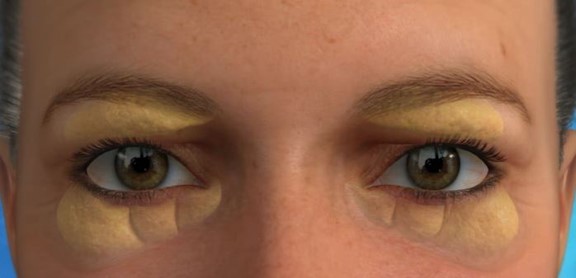
Fat compartments of the eyelids contributing to puffiness

What can I expect from an eye lift?

A lower blepharoplasty will dramatically improve puffiness and bags under the lower eyelids. An upper blepharoplasty will remove the hooded skin located near the upper lids, making you appear more rested and youthful. If you suffer from vision problems related to excess eyelid skin, an eye lift can improve this as well.

Markings for the skin generally removed in an upper blepharoplasty

 Actual upper blepharoplasty patient of Dr. Forsberg

Click here for more before and after’s

Simulated lower eye lift before and after

How do I know if I need lower or upper blepharoplasty, brow lift or a combination of these?

Our plastic surgeons are specially trained to assess your unique facial structure in light of your desired outcomes. Based on a preoperative consultation that takes into account your muscle structure, bone structure, and the symmetry and position of your eyebrows, Dr. Forsberg and Dr. Kelly will help you choose the right procedure(s) for you.  Both droopiness of the eyebrow (addressed with a brow lift) and excess skin of the upper eyelid (addressed with an upper eyelid blepharoplasty) can contribute to an aged or tired appearance of the upper eyelids.  Puffiness, dark circles, and excess skin of the lower eyelid can be addressed with a lower blepharoplasty.  In some cases laser resurfacing and in-office filler injections of the lower eyelid can also result in a significantly improved appearance.

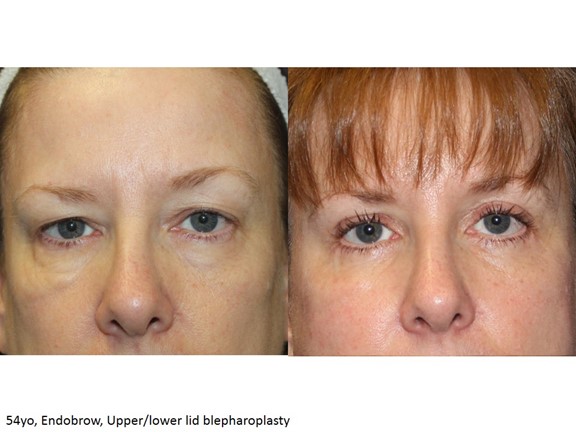
Actual patient of Dr. Forsberg who underwent endoscopic brow lift, upper and lower.

What can I expect in terms of scarring?

In an upper eye lift, the incision is hidden within the natural fold of the upper eyelid.

Upper blepharoplasty closure site

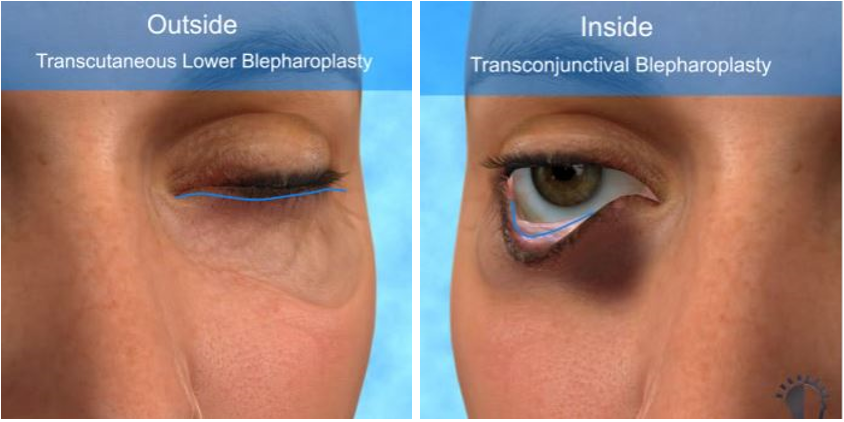
In a lower eye lift, the incision can be made on the outside or inside of the eyelid.  An external lower incision is hidden just below the eyelashes and in a lateral smile crease of the lower lid.  When there is no excess skin in the lower eyelids and excess fat or puffiness is the only significant problem, a technique called transconjunctival lower blepharoplasty can be performed. In this case, the incision is made on the inside of the eyelid and there is no external scar. 

Lower blepharoplasty incisions

Trust The Center for Dermatology and Plastic Surgery for personalized, expert solutions for your skin.

Brow Lift

November 21, 2024 by michaelboache

What is a brow lift?

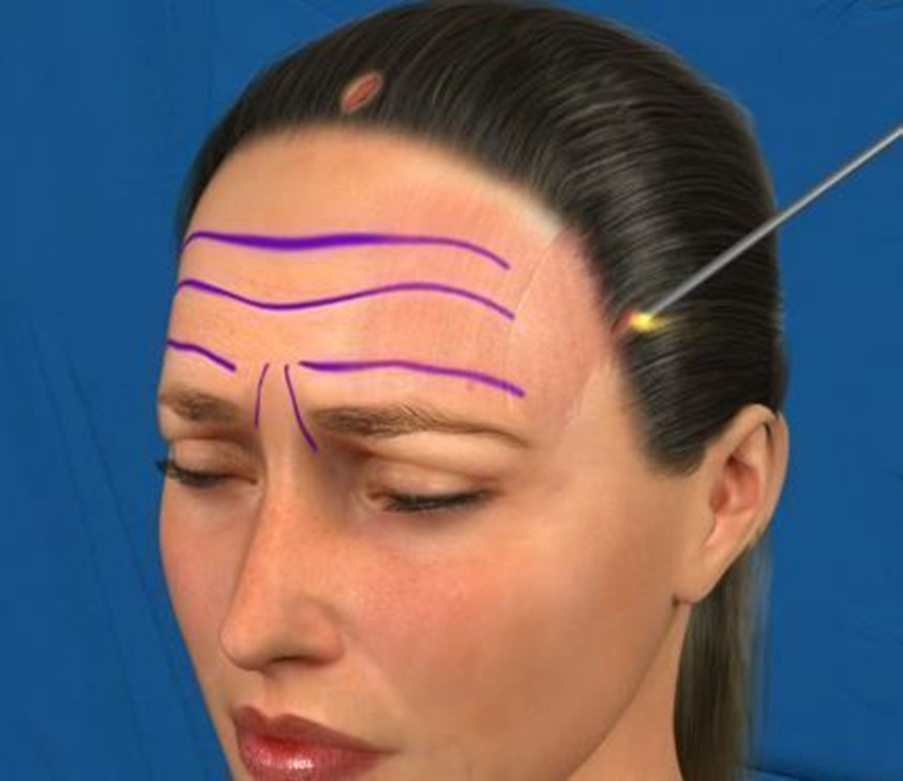
A brow lift is a surgical procedure designed to correct a drooping or lowered brow position, which we tend to associate with a tired or grumpy appearance. A brow lift works by tightening and raising the tissues of the forehead in order to reveal a more youthful proportion between the forehead, upper eyelids, and eyebrows. A brow lift is also called a forehead lift or browplasty.

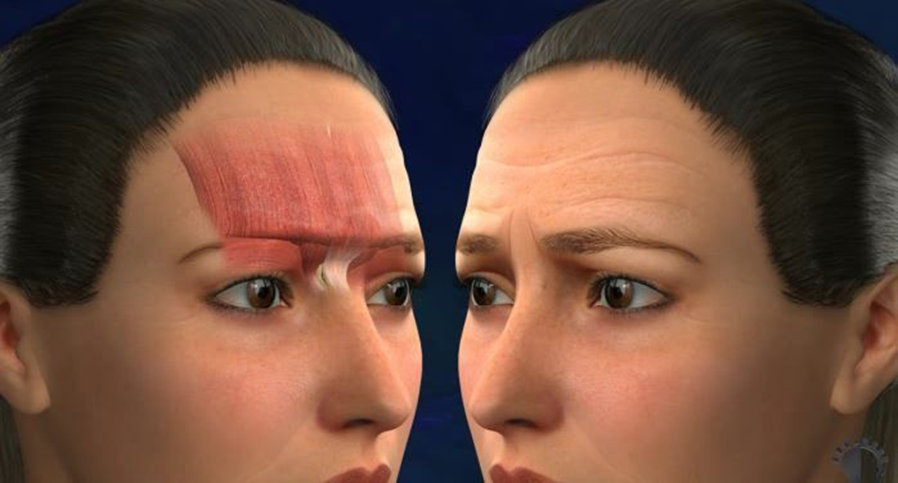
Overview of brow musculature

What can I expect from a brow lift?

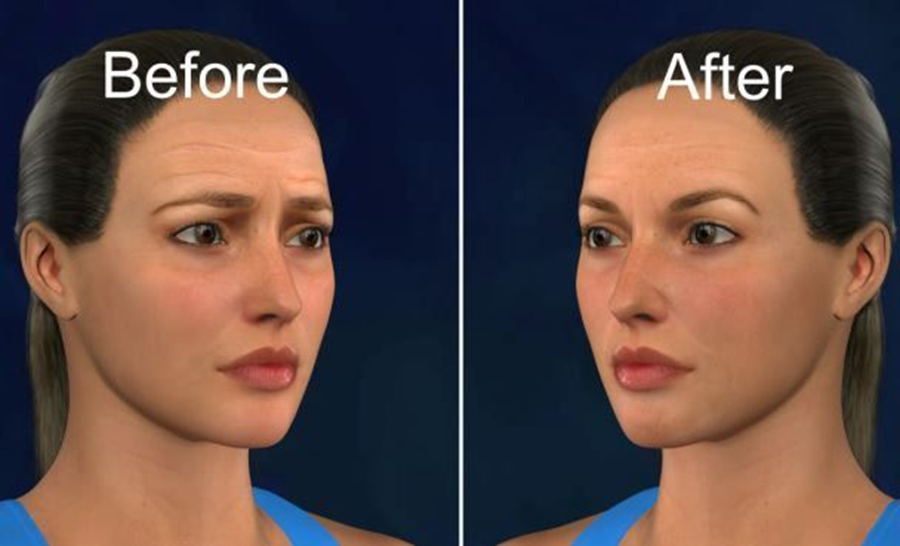
A brow lift is intended to treat those with a low position of the brow line, deep lines running horizontally across the forehead, excess skin above the eyes, and/or frown lines or furrows between the eyebrows or across the top of the nose.

Are there different kinds of brow lifts?

There are different methods of performing the procedure, and the procedure that is best for you depends on your facial features and desired outcomes. Our plastic surgeons are specially trained to assess your unique facial structure in order to choose the most appropriate type of procedure for you.  The methods of performing a lift include open, endoscopic, and limited incision. Most commonly, a a minimally invasive endoscopic brow lift using 3 small incisions hidden behind the hair line is performed.  Limited incision temporal or direct brow lifts can also be performed in office under local anesthesia. 

What kind of scarring is associated with brow lifts?

Generally speaking, incisions are placed where they can be well concealed – at or within the hairline, or within a forehead crease – but the exact placement of the incisions depends on the method of brow lift that is in chosen in conjunction with your plastic surgeon. In an open brow lift, the incision is made across the scalp, beginning above the ears and hidden within the hair. In an endoscopic lift, smaller incisions are made – usually one at the top of the scalp and one near each temple. These incisions are very well hidden in the hair. With a limited incision lift, the incisions are also made at the temples and concealed by the hairline, within an existing forehead wrinkle, or at the border of the eyebrow itself.

Are there other procedures commonly done with a brow lift to help rejuvenate the upper eye area?

This is just one procedure that can help rejuvenate the area around the eyes.  Other procedures, such as an upper blepharoplasty, may also be needed to help improve droopy or excess upper eyelid skin. Oftentimes, this is performed alongside eyelid surgery. Your board certified plastic surgeon will help you determine if one or both of these procedures is right for you. 

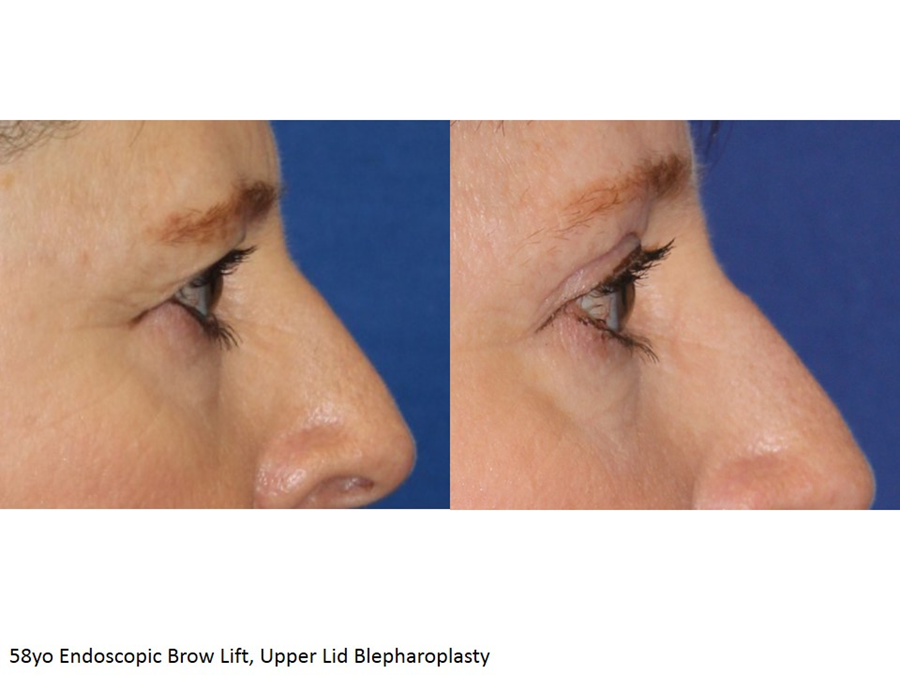
Notice in Dr. Forsberg’s patient below, the patient had a low brow and excess skin hanging on the eyelashes.  She underwent an endoscopic lift to elevate the brow, increasing the distance between the eyelashes and brow, and she underwent an upper blepharoplasty in order to remove the excess eyelid skin near the eyelash.

Click here for more before and after’s

The Center for Dermatology and Plastic Surgery is here to support all your skin health needs with trusted, expert care.

Facelift

November 21, 2024 by michaelboache

What is facelift surgery?

Technically known as rhytidectomy, a facelift will provide the most significant rejuvenation to the face and neck. A facelift will improve skin laxity, jowling, the hollow appearance to the cheeks and below the eyes, a jawline that lacks definition, and a droopy neck. Dr. Forsberg and Dr. Kelly emphasize a natural approach to facelift surgery.  Our goal is for you to look naturally younger, but certainly not artificial or overdone. 

Actual facelift patient of Dr. Forsberg

Click here for more Before and After’s

If you find yourself standing in front of a mirror and giving a gentle oblique push on the skin near the corner of the jaw, you may want to come in and learn more about face lift surgery with Dr. Kelly or Dr. Forsberg.  Click here to request your consultation.

The patient pictured below had a facelift performed by Dr. Forsberg.  In her after photos, she looks rejuvenated and refreshed, but still very much like herself and not like an obvious plastic surgery patient.  Yes, she still has some wrinkles and imperfections but the patient is thrilled because she looks like a younger version of herself, which was the goal defined by her and Dr. Forsberg.

How does our approach to facelift surgery address all of the major changes in the aging face but still look natural?

During the aging process, 3 major predictable changes to the face occur:

  1. The fatty tissue in the face is intimately associated with a muscular layer called the SMAS.  With time and the effects of gravity, this muscular layer stretches out, and the soft tissues of the face fall downward.  This change transforms a youthful face with most of the volume high around the cheek bones into a more square shape with the volume shifting from the cheeks to lower in the face, along the jaw (or jowls) and neck.  This descent of soft tissue enhances the appearance of the fold going from the nose to the corner of the mouth (nasolabial fold) and the “marionette line,” which extends from the corner of the mouth down the side of the chin, revealing the edge of the jowl. 
  2. Over time, skin loses its elasticity and appears looser, with more lines and wrinkles.  Loose skin on the neck also contributes to the loss of definition in the angle between the chin and neck and can even lead to the appearance of a double chin in people who are not overweight.
  3. More recently, we have recognized that there is also significant volume loss in the face with aging.  A younger face is fuller and has more soft tissue. 

Skin laxity, tissue decent, and volume loss are the 3 major changes to the face that occur with aging

Dr. Forsberg and Dr. Kelly take a natural approach to correcting all 3 of these major changes:

  1. Muscle laxity and descent of soft facial tissues.  Dr. Forsberg believes that correcting muscle laxity and drooping soft tissues in the face is critical for providing both a natural and long-lasting result to the facelift.  After the facial skin is lifted, sutures are placed to tighten the deep muscular layer (SMAS) and restore a natural contour to tissues in the cheek.  Sutures are also used to pull the tissues drooping over the jaw bone (the jowl) back up, and tighten the muscles in the neck to help redefine the angle between the chin and neck. 

The “SMAS” is the strong, muscular layer of the face that is tightened and lifted during a facelift

  • Skin laxity.  It is true that over time, skin will lose some of its elasticity and begin to sag.  Dr. Kelly and Dr. Forsberg usually remove a relatively small amount of skin during the facelift to tighten it moderately.  Some surgeons, however, rely solely or predominantly on skin tightening to provide their facial rejuvenation.  When this approach is taken, the face can look pulled, over tightened, and unnatural.  Additionally, skin stretches back very quickly and the results don’t often stand the test of time.  Dr. Forsberg and Dr. Kelly are also meticulous about placing the incisions in locations that will minimize their visibility. Below is a patient of Dr. Forsberg’s who is 6 months out from facelift surgery. Her incisions are around the ear but barely perceptible.

Scars from a facelift patient of Dr. Forsberg 6 months after surgery

  • Volume loss.  A facelift alone manipulates the existing tissues and helps to restore a youthful proportion to facial dimensions, but it does nothing to address the volume that has been lost in the face over the years.  Dr. Forsberg and Dr. Kelly have found that a conservative amount of fat transfer to the face during his facelift procedures helps to complete this natural rejuvenation.  Fat cells are harvested from elsewhere in the body and injected into areas where volume is deficient in the face. 

Pictured below is a 74-year-old patient of Dr. Forsberg’s who had a facelift with laser resurfacing around the mouth, along with microfat grafting to various areas in her face.  The fat grafting helped to further improve her cheek bones, the hollowness under the eyes, and add some volume back to her lips without looking overdone.  While this patient’s improvement is dramatic, her post-operative look does not appear obviously “done.”

What other procedures are commonly performed in conjunction with facelift surgery?  Is it safe to have multiple procedures at once?

Multiple facial rejuvenation procedures are frequently performed by Dr. Kelly & Dr. Forsberg in a single operation.  While there are some combinations that would be unsafe or require too much time in the operating room, facelifts are frequently performed in conjunction with many of the following procedures: (provide links to these procedure pages)

Brow Lift

Blepharoplasty (eyelid surgery)

Fat Grafting

Laser Resurfacing

Neck Liposuction

Chin augmentation

While a facelift can go a long way to rejuvenating the face, it does not address all the issues of facial aging.  The advantages of undergoing multiple procedures at once include a single recovery period, reduced costs, and a more complete and balanced rejuvenation.  The patient of Dr. Forsberg’s below underwent a combination of facial rejuvenation procedures, including facelift, brow lift, and upper and lower blepharoplasty. 

How long can I expect my results to last?

Patients should be aware that no plastic surgery procedure can stop the progression of aging.  While in many ways, it can set the clock back, skin will stretch and soft tissues will fall with enough time.  The most important surgical step in providing natural, long lasting results is to perform a complete repair of the drooping muscular layer below the skin.  Skin stretches much more quickly than the underlying muscle.  Our surgeons have seen many patients a year or two out from a facelift where only the skin is addressed who tell them they feel like they don’t look any better than they did before the surgery.  Because the muscular suspension will hold up much longer than tightened skin, many patients who have had this approach to their facial rejuvenation are happy for a decade (or more!) after surgery.

What is the expected recovery following facelift surgery?

Typically, patients who have a facelift procedure will go home the night of surgery with bandages wrapped around their face and head.  Drainage tubes may be used and are usually removed during a post-operative visit the following morning.  Keeping the head elevated and icing are important to minimize bruising and swelling after surgery.  Sutures around the ear are removed about 5 days after surgery.  At this point, makeup can be applied and some patients are comfortable enough to venture back out into the public, although bruising and swelling can persist for several weeks after surgery.  The face will feel quite tight and there can be numbness around the ear lobes for weeks to months after the procedure.  Most patients take at least 2 weeks off work after surgery.

I don’t want to have a traditional facelift.  Am I a candidate for a “mini” facelift?

In appropriate patients, Dr. Forsberg and Dr. Kelly perform a type of mini facelift called the MACS (minimal access cranial suspension).  In this procedure, a shorter skin incision is made around the ear, and less extensive facial undermining is performed.  This can result in reduced down time and significantly less bruising and swelling.  It is important to note, however, that even in this type of “mini” facelift, our plastic surgeons still place sutures in the deeper muscular layer to re-suspend and tighten these drooping tissues and provide a more natural and longer lasting result.  While the results of this type of MACS facelift cannot be expected to last as long as the more extensive traditional facelift, many surgeons who perform some version of a mini facelift only perform a slight pull on the skin and do not address the deeper muscular layer.  This leads to results that last less than a year and appear unnatural.  If you are considering facial rejuvenation surgery, be sure that you are working with a qualified plastic surgeon who can perform the appropriate operation for you, whether that may be a mini-lift with muscular repair or the more traditional full facelift. 

Patient testimonials

Actual patient of Dr. Forsberg.

The Center for Dermatology and Plastic Surgery: Advanced care for your skin, every step of the way.

Liposuction

November 21, 2024 by michaelboache

What is liposuction?

Liposuction is a procedure that sculpts excess and unwanted areas of fat that tend to be more resistant to diet and exercise.  The most common areas treated include the abdomen, love handles, back, thighs / saddlebags, arms, knees, neck, and buttocks.  During the procedure, very small incisions are made to first inject a medicine to minimize bleeding and reduce pain.  Next, Dr. Kelly and Dr. Forsberg use suction cannulas to thoughtfully sculpt the areas of excess into a tighter contour. 

Liposuction canula sculpting and removing fat cells below the skin

Liposuction is one of the most popular cosmetic procedures because it can dramatically improve your shape safely, with minimal scarring and a quick recovery.  It is frequently combined with other desired procedures like breast surgery or tummy tucks.

Click her to see more before and after’s

Watch Dr. Forsberg discuss who is a candidate for liposuction

Above is a 52-year-old female patient of Dr. Forsberg’s who had liposuction of her flanks, lower back, thighs, and knees at the same time as her abdominoplasty procedure.

How do I know if I need liposuction or a tummy tuck?

In multiple areas of the body, including the abdomen, arms, and thighs, people debate between liposuction and procedures where skin is excised, such as a tummy tuck, thigh lift, or arm lift.  The obvious advantage of liposuction alone is that there is minimal scaring from the procedure, and the recovery tends to be much quicker.  Liposuction is great for reducing bulge in localized areas of excess fatty tissue.  It does very little, however, at improving issues related to skin excess.  In most cases, the skin will shrink and contract some following liposuction, but this may be less as people age or in people with poor skin elasticity.  Skin excisional procedures leave a more significant scar and take longer to recover from, but they directly deal with the issue of skin excess.  After a thorough discussion and examination during your consultation, one of our Plastic Surgeons  will give you their recommendations.  The good news is that if you are undecided, you can always choose liposuction and excise the skin later.

What should I expect during the recovery process from liposuction?

After liposuction, you can expect the treated areas to be sore, swollen, and bruised.  Generally, the worst of this is over within the first few days and most patients stop prescription pain medications during that time.  You should be up and walking the day of surgery, and this should increase as pain and swelling go down.  Depending on their job, most people return to work within a week after liposuction.  Although you might feel like it, more rigorous exercise should be avoided for the first 3-4 weeks after surgery to minimize extra swelling and the chance of fluid collections.  You will wear a compression garment on the area for about 6 weeks.  This reduces swelling and promotes skin healing to create a smooth final contour.  While most of the swelling is gone within the first week after surgery, it takes at least 3 months before all of the swelling is gone and you can appreciate your new contour completely!

Compression garments are typically worn after liposuction

How long will the results of liposuction last?  What happens if I gain weight after surgery?

Technically, the results of liposuction are permanent because individual fat cells are removed and discarded.  There will never be as many fat cells in that particular area again!  However, weight gain, lifestyle factors, pregnancies, and aging in general can compromise your results.  If you gain weight after liposuction, it will tend to go to other parts of the body because there are fewer fat cells left in the treated area and there is some scar tissue left behind from the procedure.  There are still fat cells remaining in the treated area, however, and with weight gain they will enlarge and increase the size of the treated area again. Count on The Center for Dermatology and Plastic Surgery for expert, compassionate care tailored to your unique skin.

Labiaplasty

November 21, 2024 by michaelboache

What is Labiaplasty?

Labiaplasty, also known as labia minora reduction, or vaginal lip reduction, is a procedure to correct enlargement or asymmetry of the labia.  Enlargement of the labia minora can cause women to feel insecure about their appearance and can be associated with discomfort during sexual intercourse, some physical activities, or tighter-fitting clothing.  Usually the labia minora (inner lip) is concealed by the labia majora (outer lip).  Protrusion of the labia minora 1-3 cm beyond the labia majora is frequently categorized as mild enlargement where as protrusion of more than 3 cm is usually considered severe enlargement.  Labiaplasty is a relatively simple procedure that is increasing in popularity.  The procedure can be performed under local anesthetic and sedation or under general anesthetic, depending on patient preference.  In addition to reducing the size and protrusion of the labia minora, other procedures such as clitoral hood reduction and fat grafting to the labia majora are commonly performed for a more complete vaginal rejuvenation. 

What is the recovery process like following labial reduction surgery?

Many women are concerned about significant pain following labial reduction surgery, although most are surprised with the relatively mild discomfort they actually experience.  Pain medications are given for after surgery, but most patients stop using the medications within two days of surgery.  Dissolvable sutures are used to close the incisions during surgery.  Icing and elevation of the groin are recommended to minimize post-operative swelling.  Patients are walking the day of surgery and are getting back to work – depending on the nature of their job – usually 3 or 4 days following surgery.  Exercise is limited for the first 2-4 weeks after surgery, and sexual intercourse needs to be avoided for 4-6 weeks after surgery. 

Is change in sensation likely after labiaplasty?

While it is possible for any operation to adversely affect sensation, the nerves to the clitoris and erogenous zones of the vagina are away from the site of the surgical incisions.  Decreased sensation and physical discomfort are extremely uncommon following labiaplasty.  In fact, most women find sexual intercourse more comfortable and enjoyable following the procedure.

Before & After Gallery

The 20-year-old patient below complained of pain with sexual intercourse, physical activities, and tight jeans as a result of enlarged labia minora.  She underwent labiaplasty with Dr. Forsberg as an outpatient procedure, and she is now relieved of all discomfort.

Click here to see before and after’s

The Center for Dermatology and Plastic Surgery offers comprehensive support and advanced treatments for every skin type.

Abdominoplasty

November 21, 2024 by michaelboache

What is a tummy tuck?

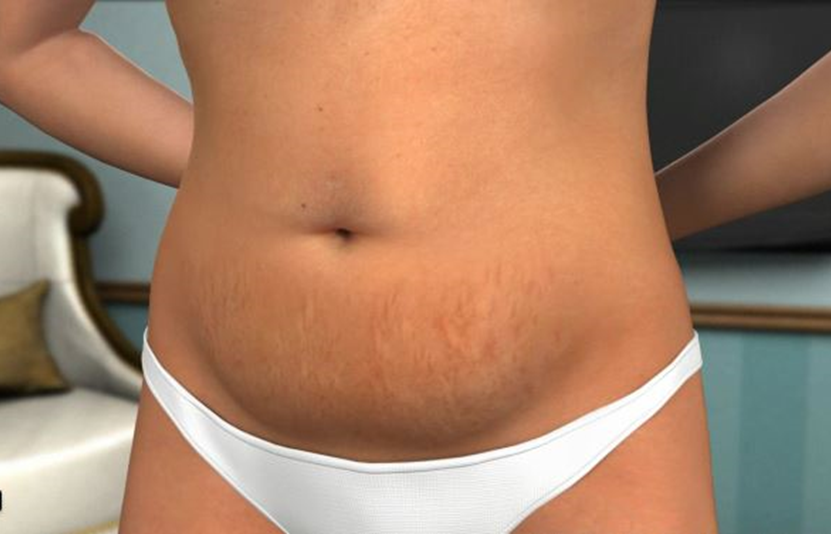
A tummy tuck, also called an abdominoplasty, is a procedure that removes excess loose skin and fat from the lower abdomen while also tightening the muscles of the abdominal wall. Tummy tucks are common following pregnancy and significant weight loss, but it may be an appropriate procedure for anyone who has excess skin and fat or muscle laxity. Pregnancy or weight gain can cause significant stretching of the abdominal skin and musculature. These changes can be difficult to improve, even with aggressive diet and exercise.

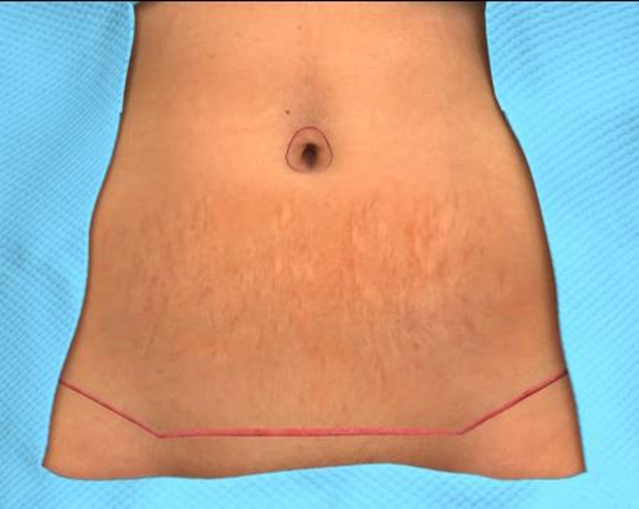
Typical appearance of stretch marks and lower abdominal laxity

Improving abdominal contour and reducing stretch marks and excess skin from the lower abdomen can significantly improve yourself-image and self-confidence.

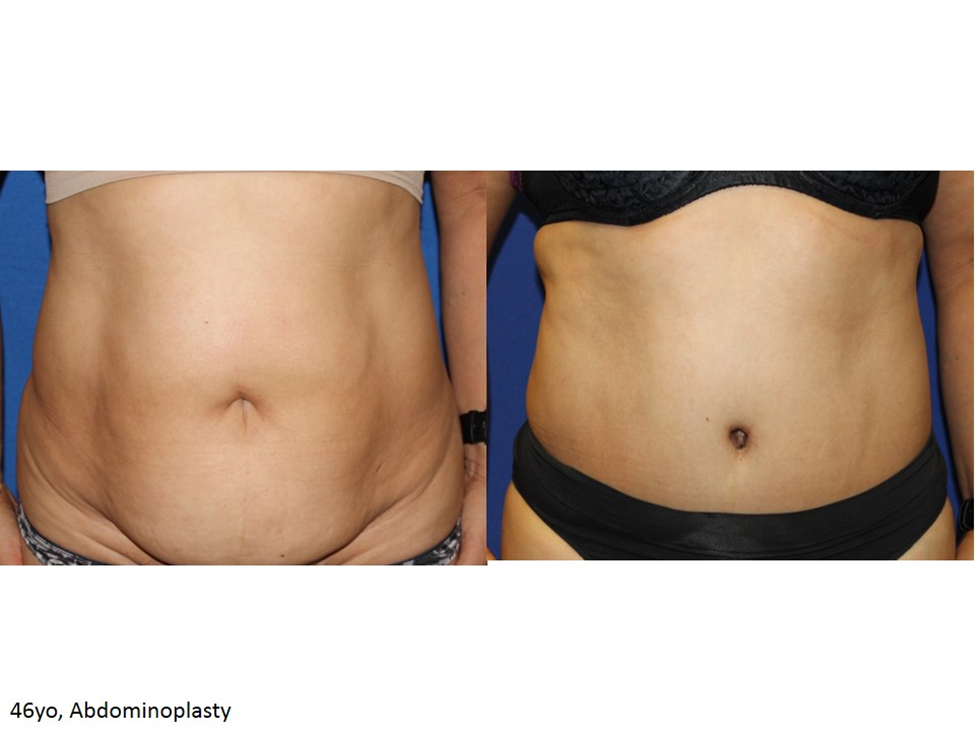
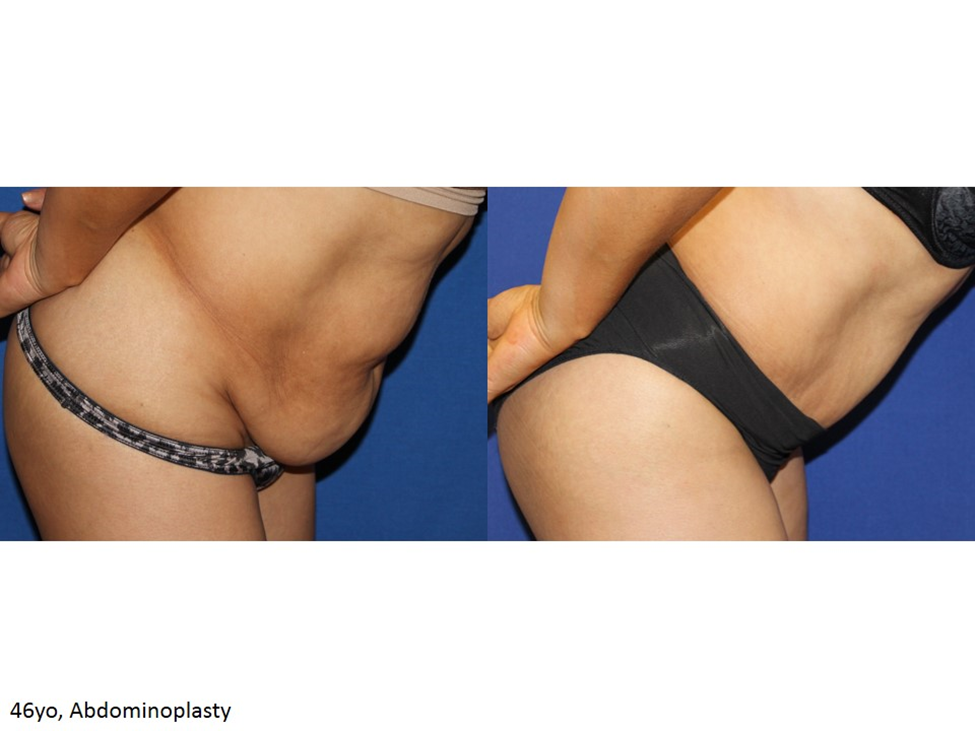
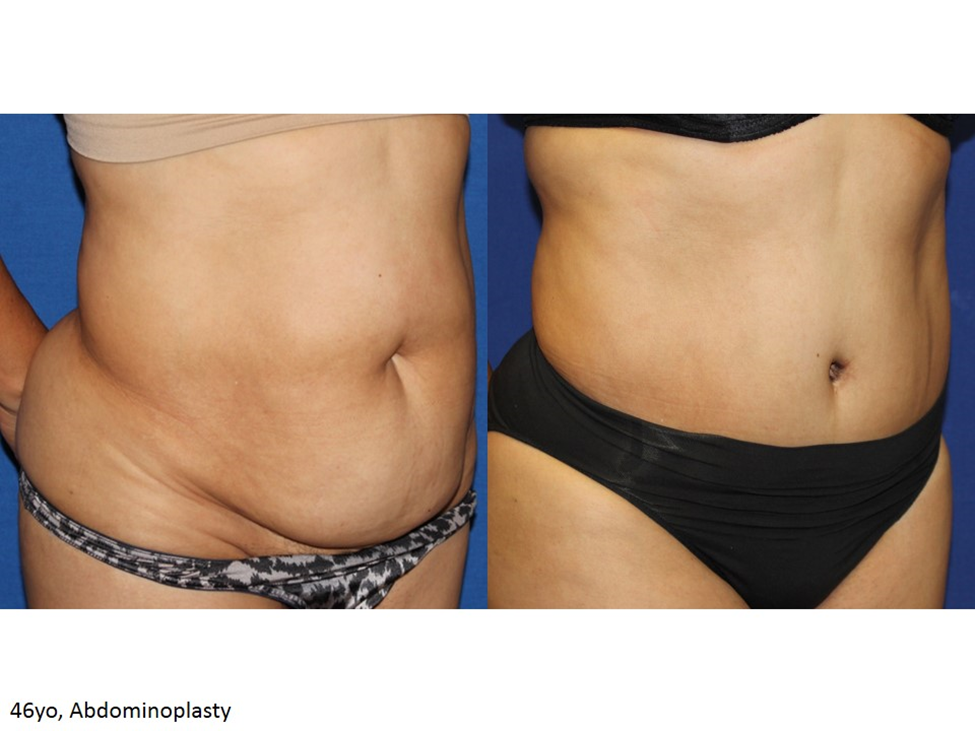
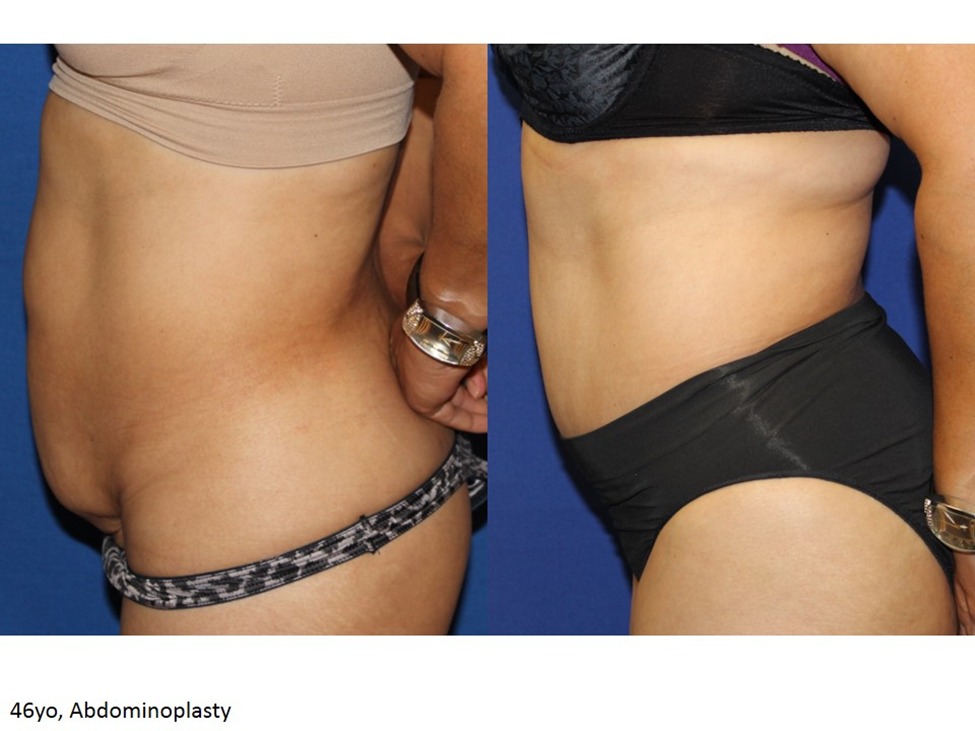
Pictured above is a 46-year-old female patient of Dr. Forsberg who underwent abdominoplasty to improve abdominal contour after multiple pregnancies.  

Click here for more before and after’s

Who is a candidate for a tummy tuck?

See Dr. Forsberg discuss good candidates for abdominoplasty

How is an abdominoplasty performed?

There are several varieties of abdominoplasty, including full abdominoplasty, high lateral tension abdominoplasty, lipo-abdominoplasty (tummy tuck combined with liposuction), mini-abdominoplasty, circumferential abdominoplasty (lower body lift), and “fleur de lis” abdominoplasty.  Dr. Forsberg and Dr. Kelly will discuss each of these procedures with you – their advantages and disadvantages – and which one best suits your unique needs during your consultation.

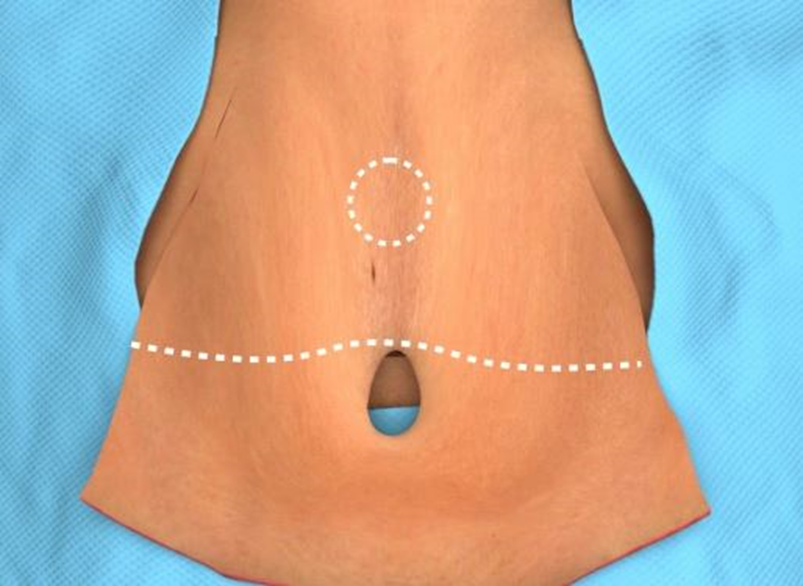
The most common procedure performed by our surgeons is a full abdominoplasty combined with liposuction.  In this procedure, all of the skin, stretch marks, and excess fat in the lower abdomen, between the pubis and belly button are removed. 

Typical abdominoplasty incisions in lower abdomen and inside the belly button

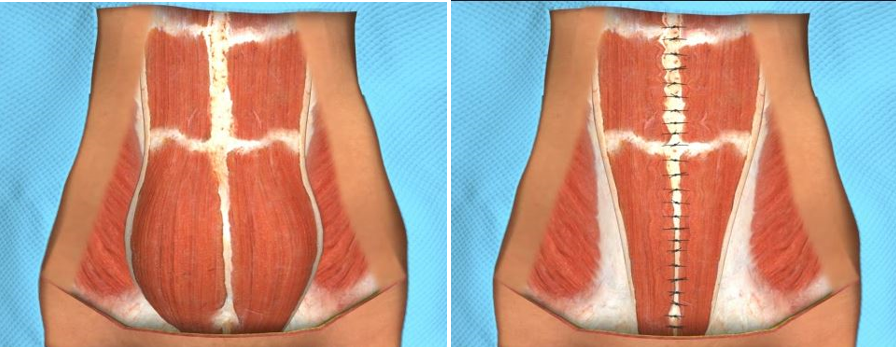
Sutures are then placed in the abdominal muscles to tighten them, reduce bulging, particularly in the lower abdomen, and improve abdominal contour – essentially acting as an internal corset to reconstruct the hour glass figure. 

Laxity of abdominal muscles before and after suture repair during the tummy tuck

The skin from the upper abdomen is then loosened and stretched down to meet the lower abdominal incision.  Finally, an opening is made in the upper abdominal skin that has been re-draped to bring the belly button out and suture it in place. 

Excess lower abdominal skin is discarded and a new opening is made for the belly button

Liposuction is also often performed along with abdominoplasty in order to improve contour.

What can I expect in terms of scarring?

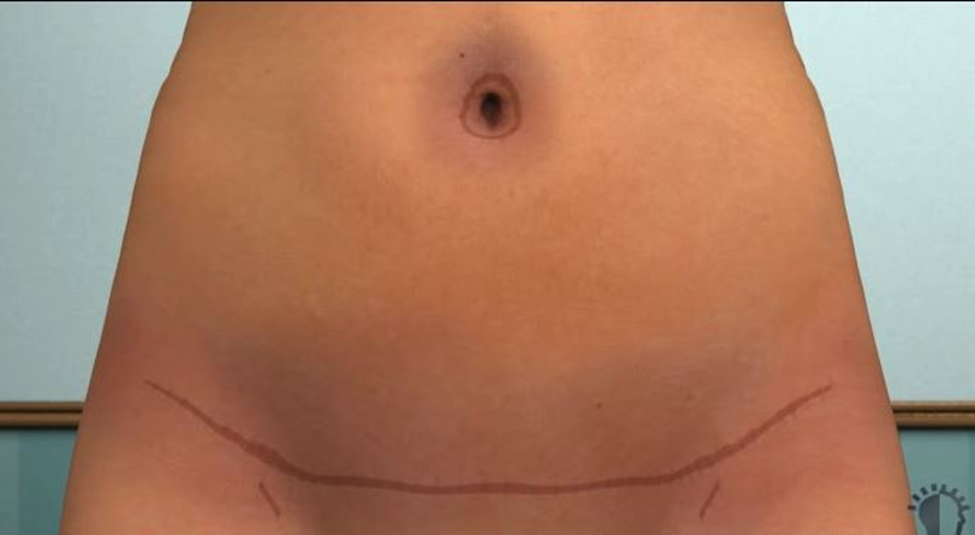
The typical abdominoplasty scar is across the lower abdomen in a location well hidden by a bikini or undergarments.  In a full abdominoplasty, there is also an incision on the inner border of the belly button that most often heals inconspicuously.  Our surgeons take pride in making the belly button appear as natural as possible with minimal scarring as this is the area that can be a tell tail sign of the tummy tuck procedure in underwear or a bikini.

Typical abdominoplasty scar across the lower abdomen and around the belly button

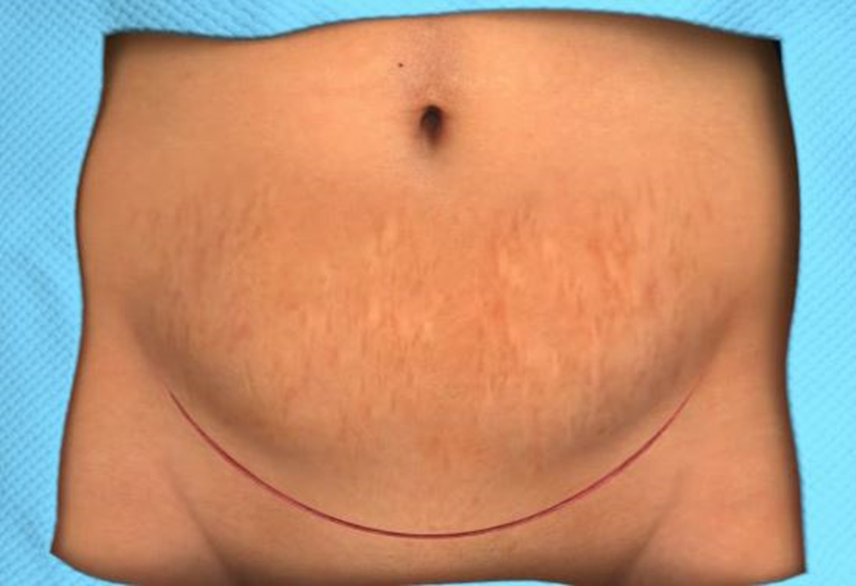
Additionally, in some procedures, such as the mini-abdominoplasty, the lower abdominal incision may be shorter and the incision around the navel can be avoided.

Typical mini tummy tuck scar is shorter and across lower abdomen only

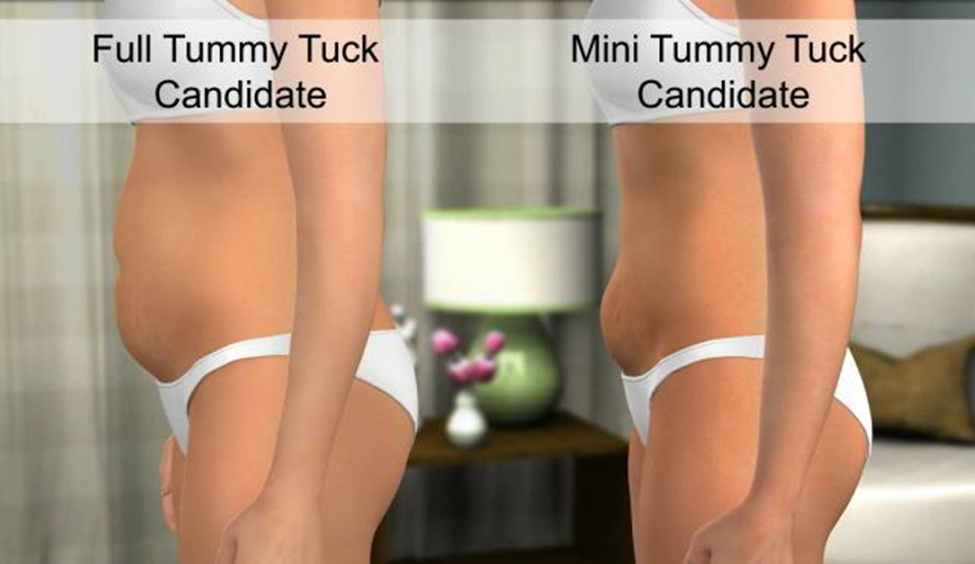
Differences in candidates for full tummy tuck versus mini tummy tuck

In other cases, longer or additional incisions may be necessary, including a vertical incision.  In patients where laxity extends around the flanks and into the back, a circumferential abdominoplasty may be performed, leaving a scar around the waistline. 

How do I know if I need liposuction or a tummy tuck?

People often debate between liposuction and procedures where skin is removed, such as a tummy tuck, thigh lift, or arm lift.  The advantages of liposuction include minimal scaring and a faster recovery.  Liposuction is great for reducing the bulge in localized areas of excess fatty tissue.  It does very little, however, to improve excess skin.  In most cases, the skin will shrink and contract following liposuction, though this varies according to age and natural skin elasticity.  While skin removal procedures leave a more significant scar and take longer to recover from, they do directly address the issue of skin excess.  After a thorough discussion and examination during your consultation, Dr. Kelly or Dr. Forsberg will give you their recommendations.  The good news is that if you decide on liposuction instead of a more involved procedure, you can always remove the excess skin later on if you are concerned about the appearance of loose skin.

Should I lose weight before undergoing a tummy tuck?

For optimal results, it is best to achieve your lowest stable weight prior to undergoing.  Losing weight will decrease the thickness of the abdominal wall.  Reduction of intra-abdominal fat, which is the fat around the abdominal organs and inside the abdominal wall, can only be achieved with diet and exercise.  Decreasing the amount of fatty tissue present prior to surgery will allow your surgeon to remove the maximum amount of excess skin and give you the most desirable result. 

It is not uncommon, however, for patients to plateau at a weight above their goal weight even with diet, exercise, and weight loss surgery.  A safe and dramatic improvement can still be obtained with abdominoplasty under these circumstances. 

See Dr. Forsberg discuss advantages of losing weight prior to abdominoplasty

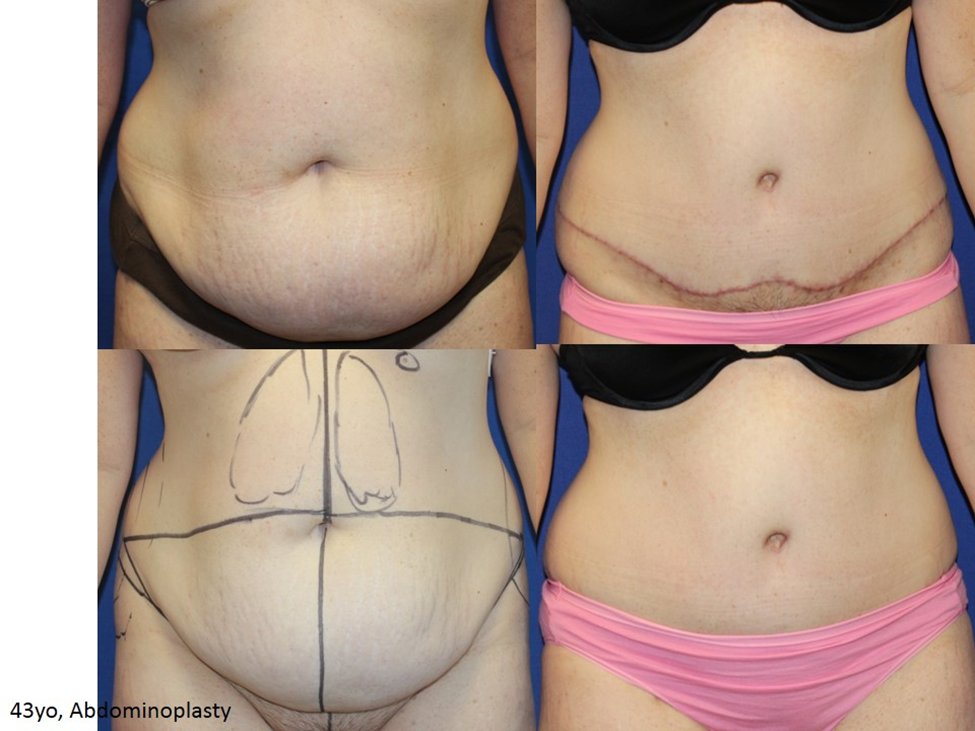
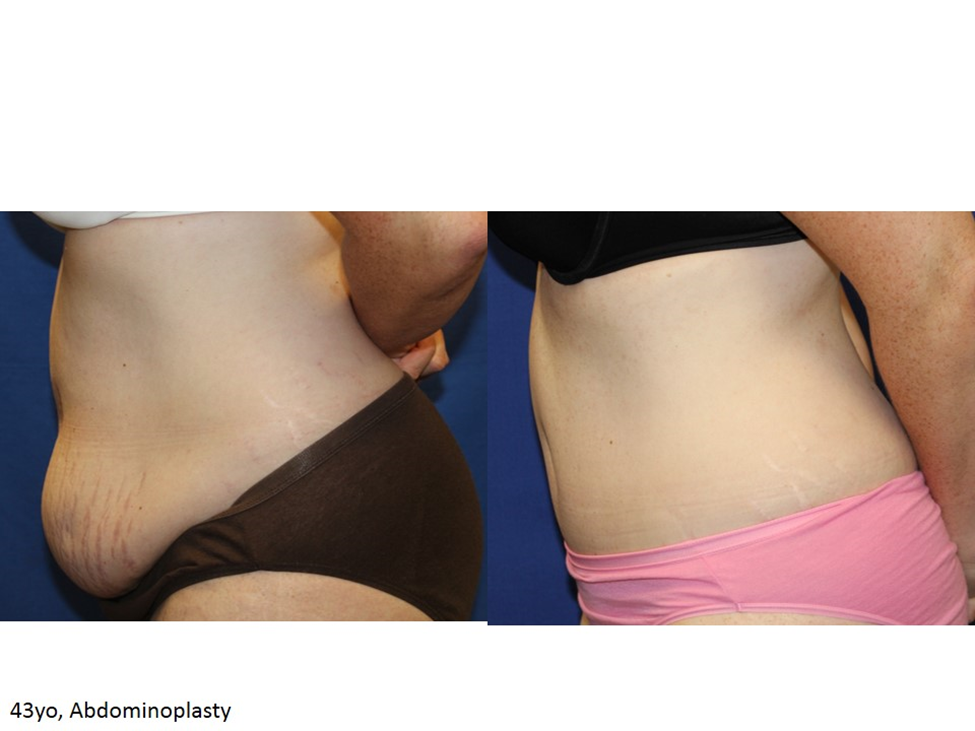
The patient pictured above is a 43-year-old patient of Dr. Forsberg who was never able to reach her goal weight with diet and exercise following multiple pregnancies.  She decided to proceed with abdominoplasty and liposuction and obtained a fantastic improvement of abdominal contour.  For this patient and many others, the improvement can provide the motivation needed to lose more weight after surgery.

What should I expect during recovery?

Following a tummy tuck, patients may be discharged home with a responsible adult to help care for them, or admitted to the hospital or nursing facility for observation the first night or two after surgery.  Depending on the extent of dissection and skin excision, drainage tubes may be used.  The abdomen will be quite sore following this procedure.  Various pain medications and internal numbing medications will be given to control the pain.  Even though you will be sore, it is important to go for short walks immediately after surgery.  You will need assistance with these walks for the first few days after your procedure.  You should know that it can take several weeks before you are feeling back to yourself.  Most patients take 2 weeks off from work, depending on the nature of their job and how quickly they heal.  There should be no heavy lifting or strenuous exercise for 4-6 weeks.  It will be several months before the aesthetic outcome of the procedure can be judged because it takes time for  swelling to go down and for the scars to soften and mature.   

The Center for Dermatology and Plastic Surgery offers comprehensive support and advanced treatments for every skin type.

Male Breast Reduction (Gynecomastia)

November 21, 2024 by michaelboache

Our board-certified plastic surgeons assists in treating gynecomastia with a reduction

Gynecomastia refers to benign enlargement of male breast tissue. The cause of gynecomastia is unknown, but it can be associated with other more concerning conditions, such as: endocrine disorders, liver disease, and testicular tumors. It can also be associated with certain prescription medications, the use of marijuana, steroids, and some work-out supplements. Gynecomastia to some degree is common during adolescence but usually resolves within one year. Because of the association with other more concerning conditions, men with abnormal breast enlargement that is painful, asymmetric, develops after adolescence, or persists for more than one year following pubertal development should seek evaluation by a board certified physician.

Gynecomastia is graded based on the degree of excess skin and breast tissue:

  • Minor enlargement, no skin excess
  • Moderate enlargement, no skin excess
  • Moderate enlargement, skin excess
  • Marked enlargement, skin excess What are treatment options for gynecomastia?

Many men with gynecomastia seek surgical treatment from a board-certified plastic surgeon because they are self conscious about their disproportionate breast size, embarrassed to remove their shirt in public or wear tighter fighting clothing, and want to increase their social confidence.

The treatment approach to gynecomastia varies depending on the degree of excess fatty tissue, breast glandular tissue, and skin.

The most common operation involves a combination of liposuction and direct excision of excess glandular breast tissue. Frequently there is a firm area of excessive breast tissue below the nipple that will not be amenable to liposuction alone and requires direct excision via an incision placed at the border of the areola (pigmented tissue around the nipple).

In more extreme cases where skin excess is also a problem, various additional incisions that will be more visible may be necessary to achieve a satisfactory reduction in breast tissue and skin. A surgeon will review the options that are most appropriate during your consultation. At the Center for Dermatology and Plastic Surgery, we’re committed to delivering exceptional care for all your skin concerns.

  • Page 1
  • Page 2
  • Go to Next Page »

Copyright © 2026 · Dynamik-Gen on Genesis Framework · WordPress · Log in

Center for Dermatology & Plastic Surgery - Dermatologists and Plastic Surgery in Phoenix, AZLogo Header Menu
  • Home
  • Locations
  • Providers
  • Plastic Surgery
    • Before & After Gallery
  • Dermatology
  • Cosmetic Dermatology
    • Cosmetic Before After Gallery
  • Health Library
  • About
    • Patient Resources
    • New Patient Forms
    • Specials
  • Pay Bill
  • Patient Portal
  • Book Appointment