• Skip to main content

Center for Dermatology & Plastic Surgery - Dermatologists and Plastic Surgery in Phoenix, AZ

Center for Dermatology & Plastic Surgery is the premier medical and cosmetic dermatology clinic in Paradise Valley and greater Phoenix area. Make an appointment today.

  • Shop
  • Bill Pay
  • Patient Portal
  • Book Appointment
  • Plastic Surgery
    • Breast
      • Breast Augmentation
      • Breast Lift
      • Breast Reconstruction
      • Breast Reduction
      • Male Breast Reduction
    • Body
      • Abdominoplasty
      • Labiaplasty
      • Liposuction
      • Buttock Augmentation
    • Face
      • Facelift
      • Brow Lift
      • Blepharoplasty
      • Chin Augmentation
      • Fat Grafting
      • Otoplasty
      • Rhinoplasty
    • Before & After Gallery
  • Medical Dermatology
    • Medical
      • Actinic Keratoses
      • Cellulitis
      • Contact Dermatitis
      • Mohs Micrographic Surgery
      • Moles
      • Psoriasis
      • Rosacea
      • Vitiligo (Skin Pigment Disorders)
    • Shingles (Herpes Zoster)
    • Hair Loss
    • Acne
    • Mohs Micrographic Surgery
    • Pediatric Dermatology
      • Contact Dermatitis
  • Cosmetic
    • Face
      • Botox
      • Chemical Peel
      • Clear + Brilliant
      • Extractions
      • Facials
      • Fillers
      • Kybella
      • Laser Resurfacing
      • Laser Treatments
      • Microneedling
      • ThermiTight
      • Vivace
    • Body
      • Laser Hair Removal
      • Thermage®
      • Thermage® (Face)
    • Browse by Skin Concern
      • Acne Scarring
      • Active Acne
      • Age Spots
      • Broken Blood Vessels
      • Fat Reduction
      • Melasma & Freckles
      • Skin Laxity
      • Aging Skin
      • Stretch Marks
      • Uneven Skin Tone
    • Cosmetic Before After Gallery
  • About
    • Providers
    • Patient Resources
    • New Patient Forms
    • Specials
  • Locations
  • Contact

Labiaplasty

November 21, 2024 by michaelboache

What is Labiaplasty?

Labiaplasty, also known as labia minora reduction, or vaginal lip reduction, is a procedure to correct enlargement or asymmetry of the labia.  Enlargement of the labia minora can cause women to feel insecure about their appearance and can be associated with discomfort during sexual intercourse, some physical activities, or tighter-fitting clothing.  Usually the labia minora (inner lip) is concealed by the labia majora (outer lip).  Protrusion of the labia minora 1-3 cm beyond the labia majora is frequently categorized as mild enlargement where as protrusion of more than 3 cm is usually considered severe enlargement.  Labiaplasty is a relatively simple procedure that is increasing in popularity.  The procedure can be performed under local anesthetic and sedation or under general anesthetic, depending on patient preference.  In addition to reducing the size and protrusion of the labia minora, other procedures such as clitoral hood reduction and fat grafting to the labia majora are commonly performed for a more complete vaginal rejuvenation. 

What is the recovery process like following labial reduction surgery?

Many women are concerned about significant pain following labial reduction surgery, although most are surprised with the relatively mild discomfort they actually experience.  Pain medications are given for after surgery, but most patients stop using the medications within two days of surgery.  Dissolvable sutures are used to close the incisions during surgery.  Icing and elevation of the groin are recommended to minimize post-operative swelling.  Patients are walking the day of surgery and are getting back to work – depending on the nature of their job – usually 3 or 4 days following surgery.  Exercise is limited for the first 2-4 weeks after surgery, and sexual intercourse needs to be avoided for 4-6 weeks after surgery. 

Is change in sensation likely after labiaplasty?

While it is possible for any operation to adversely affect sensation, the nerves to the clitoris and erogenous zones of the vagina are away from the site of the surgical incisions.  Decreased sensation and physical discomfort are extremely uncommon following labiaplasty.  In fact, most women find sexual intercourse more comfortable and enjoyable following the procedure.

Before & After Gallery

The 20-year-old patient below complained of pain with sexual intercourse, physical activities, and tight jeans as a result of enlarged labia minora.  She underwent labiaplasty with Dr. Forsberg as an outpatient procedure, and she is now relieved of all discomfort.

Click here to see before and after’s

The Center for Dermatology and Plastic Surgery offers comprehensive support and advanced treatments for every skin type.

Abdominoplasty

November 21, 2024 by michaelboache

What is a tummy tuck?

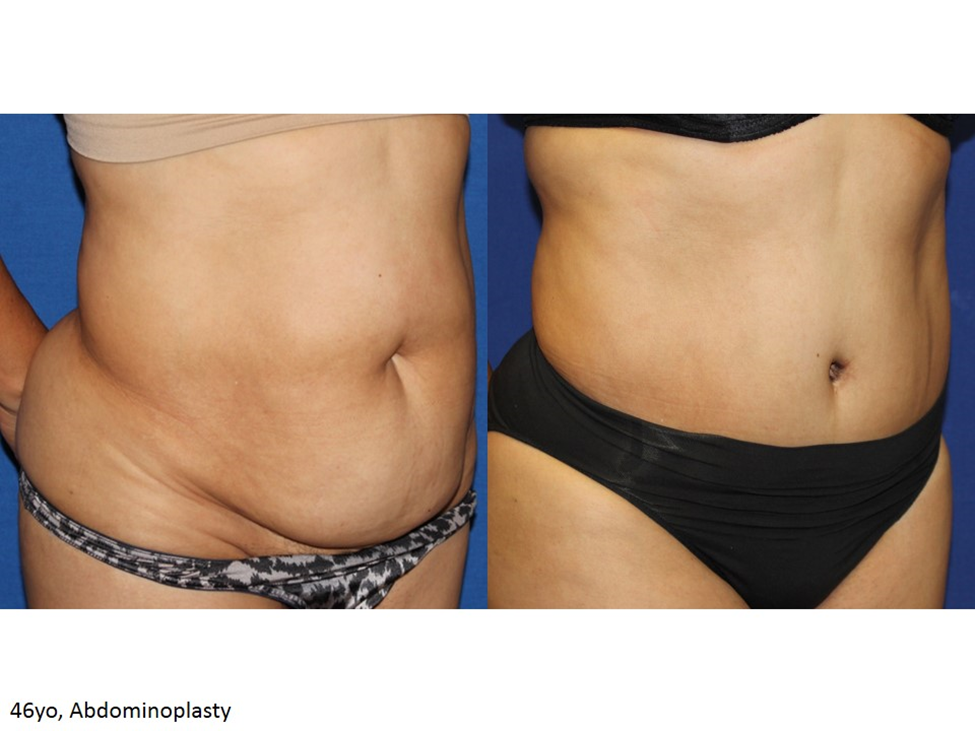
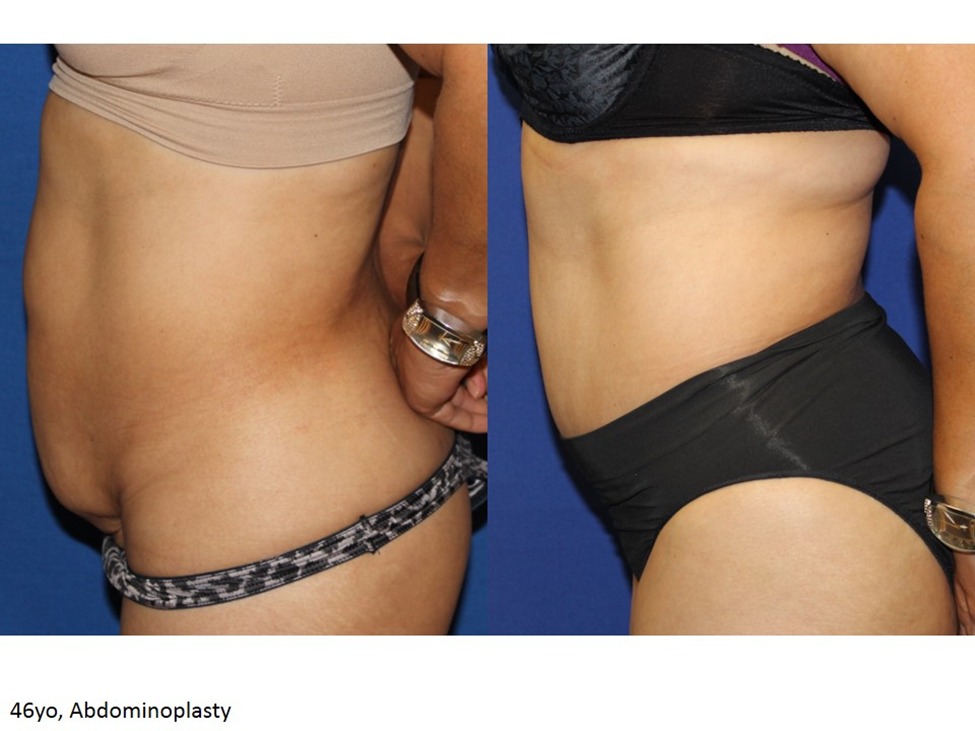
A tummy tuck, also called an abdominoplasty, is a procedure that removes excess loose skin and fat from the lower abdomen while also tightening the muscles of the abdominal wall. Tummy tucks are common following pregnancy and significant weight loss, but it may be an appropriate procedure for anyone who has excess skin and fat or muscle laxity. Pregnancy or weight gain can cause significant stretching of the abdominal skin and musculature. These changes can be difficult to improve, even with aggressive diet and exercise.
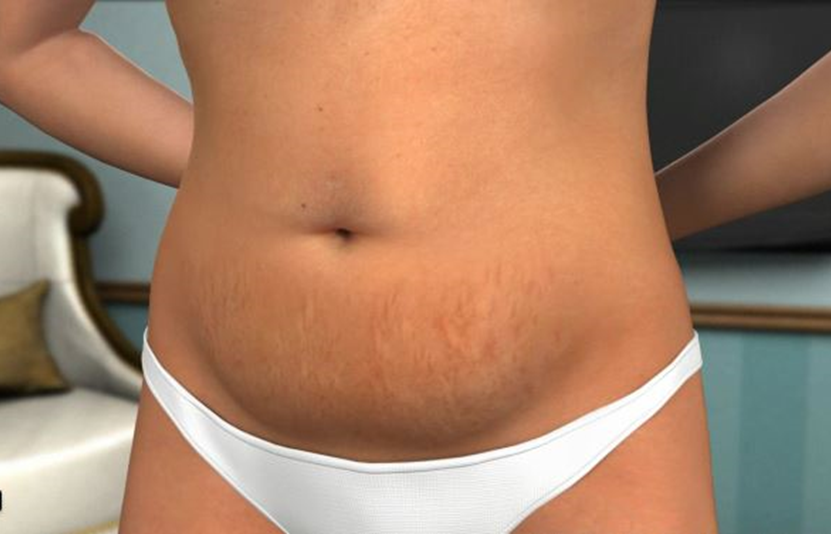
Typical appearance of stretch marks and lower abdominal laxity

Improving abdominal contour and reducing stretch marks and excess skin from the lower abdomen can significantly improve your self-image and self-confidence.
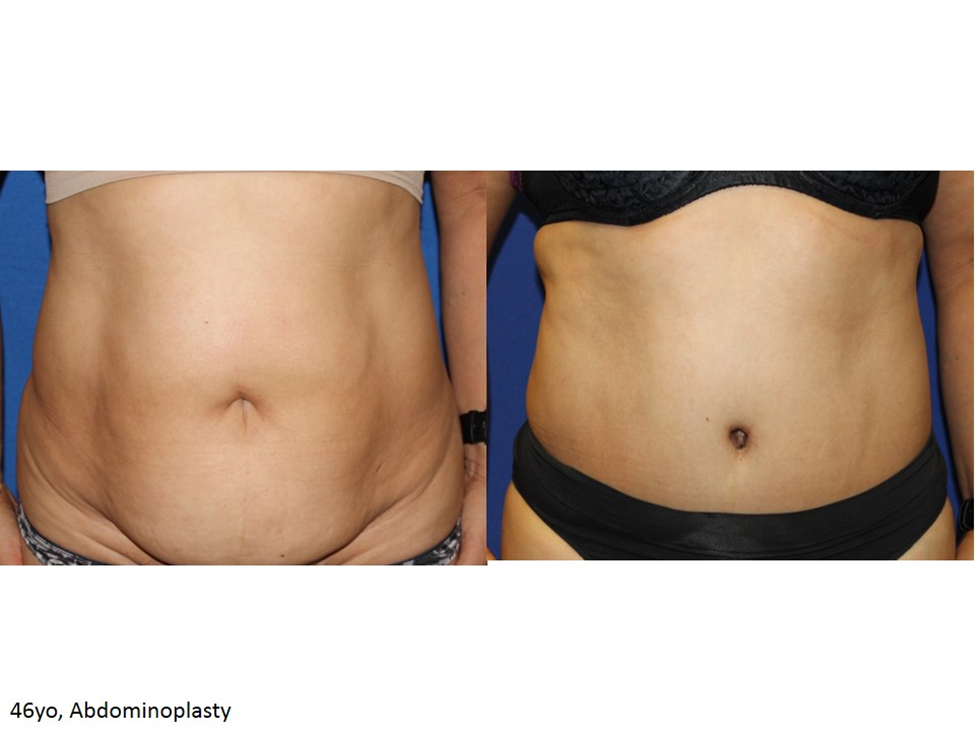
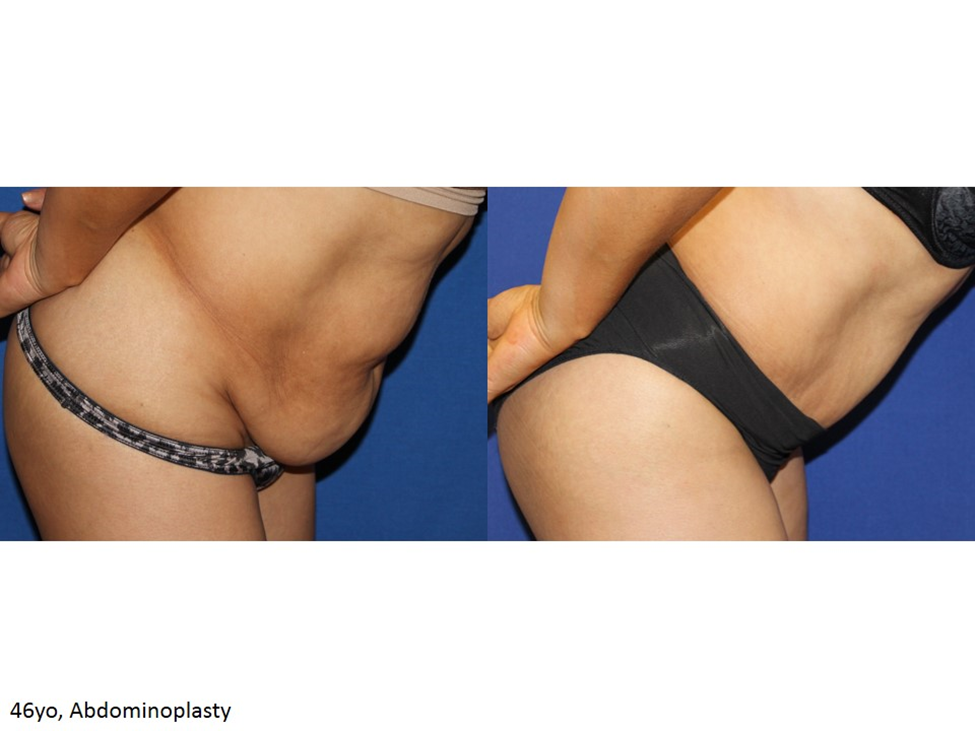
Who is a candidate for a tummy tuck?

See Dr. Forsberg discuss good candidates for abdominoplasty

How is an abdominoplasty performed?

There are several varieties of abdominoplasty, including full abdominoplasty, high lateral tension abdominoplasty, lipo-abdominoplasty (tummy tuck combined with liposuction), mini-abdominoplasty, circumferential abdominoplasty (lower body lift), and “fleur de lis” abdominoplasty.  Dr. Forsberg and Dr. Kelly will discuss each of these procedures with you – their advantages and disadvantages – and which one best suits your unique needs during your consultation.

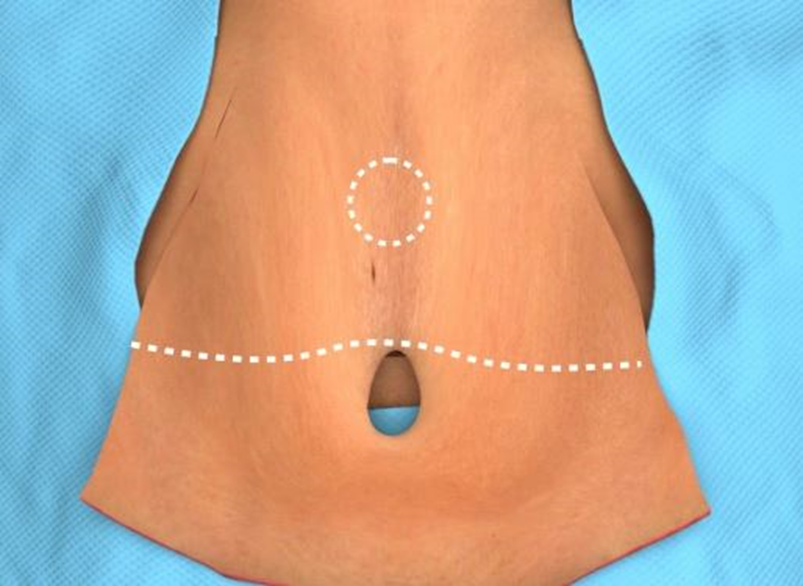
The most common procedure performed by our surgeons is a full abdominoplasty combined with liposuction.  In this procedure, all of the skin, stretch marks, and excess fat in the lower abdomen, between the pubis and belly button are removed. 
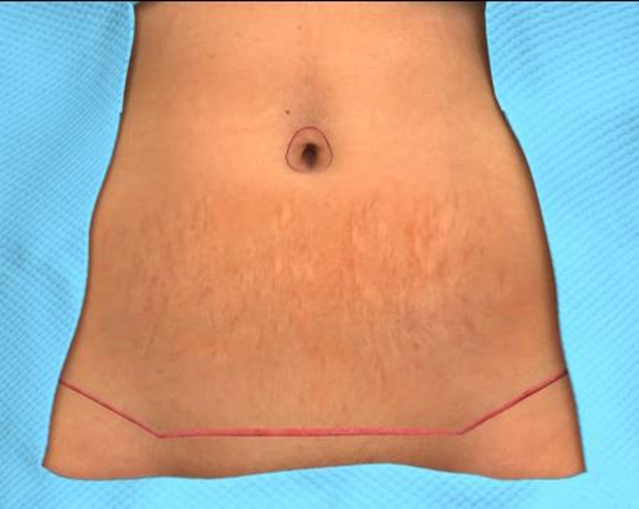
Typical abdominoplasty incisions in lower abdomen and inside the belly button

Sutures are then placed in the abdominal muscles to tighten them, reduce bulging, particularly in the lower abdomen, and improve abdominal contour – essentially acting as an internal corset to reconstruct the hour glass figure. 
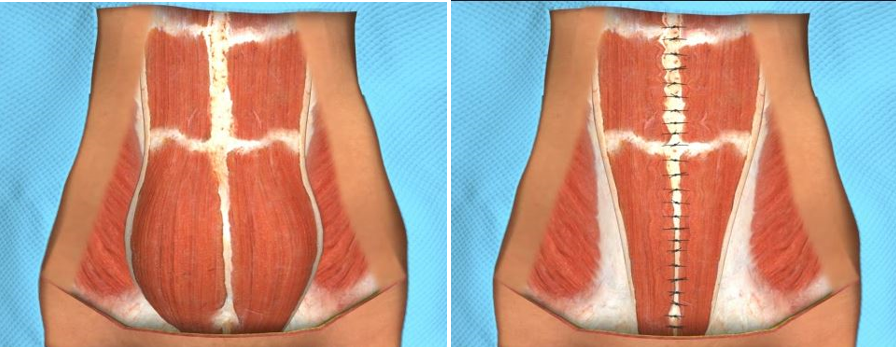
Laxity of abdominal muscles before and after suture repair during the tummy tuck

The skin from the upper abdomen is then loosened and stretched down to meet the lower abdominal incision.  Finally, an opening is made in the upper abdominal skin that has been re-draped to bring the belly button out and suture it in place. 

Excess lower abdominal skin is discarded and a new opening is made for the belly button.

Liposuction is also often performed along with abdominoplasty in order to improve contour.

What can I expect in terms of scarring?

The typical abdominoplasty scar is across the lower abdomen in a location well hidden by a bikini or undergarments.  In a full abdominoplasty, there is also an incision on the inner border of the belly button that most often heals inconspicuously.  Our surgeons take pride in making the belly button appear as natural as possible with minimal scarring as this is the area that can be a tell tail sign of the tummy tuck procedure in underwear or a bikini.
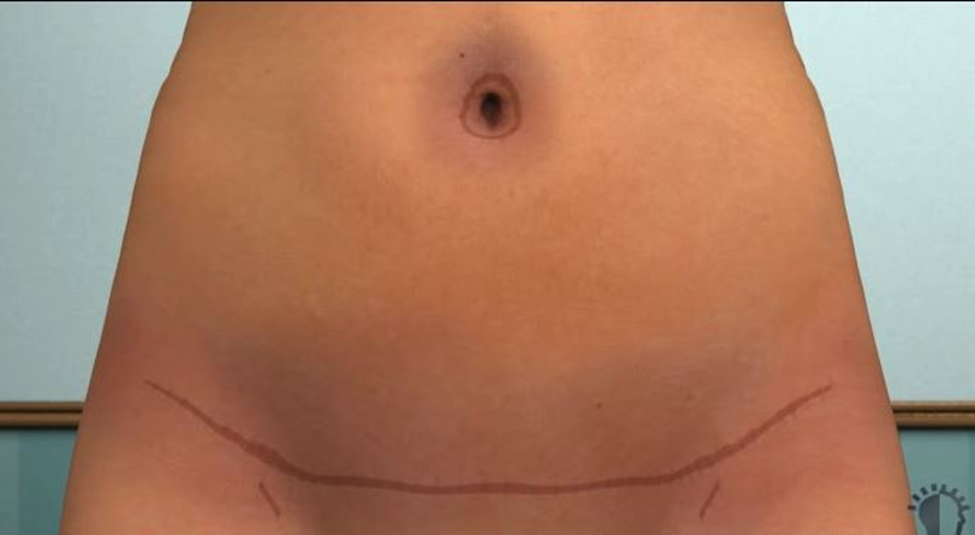
Typical abdominoplasty scar across the lower abdomen and around the belly button

Additionally, in some procedures, such as the mini-abdominoplasty, the lower abdominal incision may be shorter and the incision around the navel can be avoided.
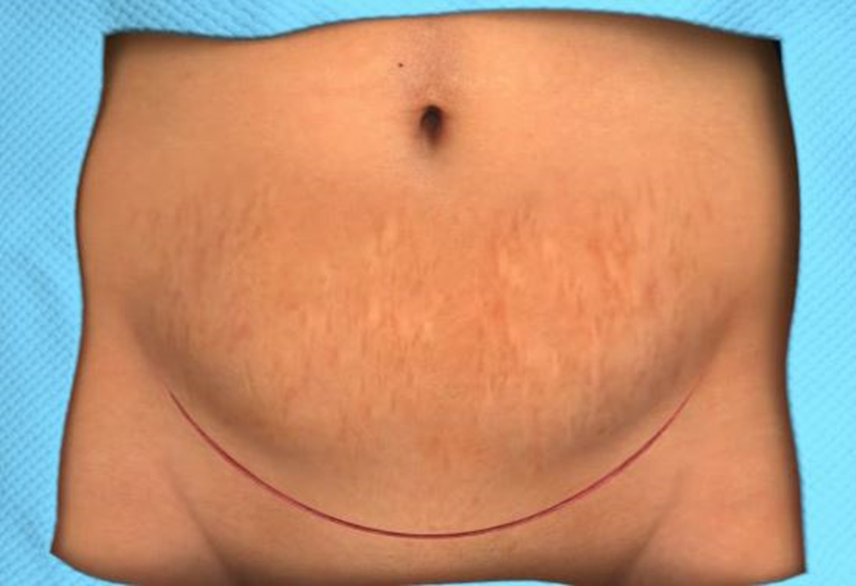
Typical mini tummy tuck scar is shorter and across lower abdomen only
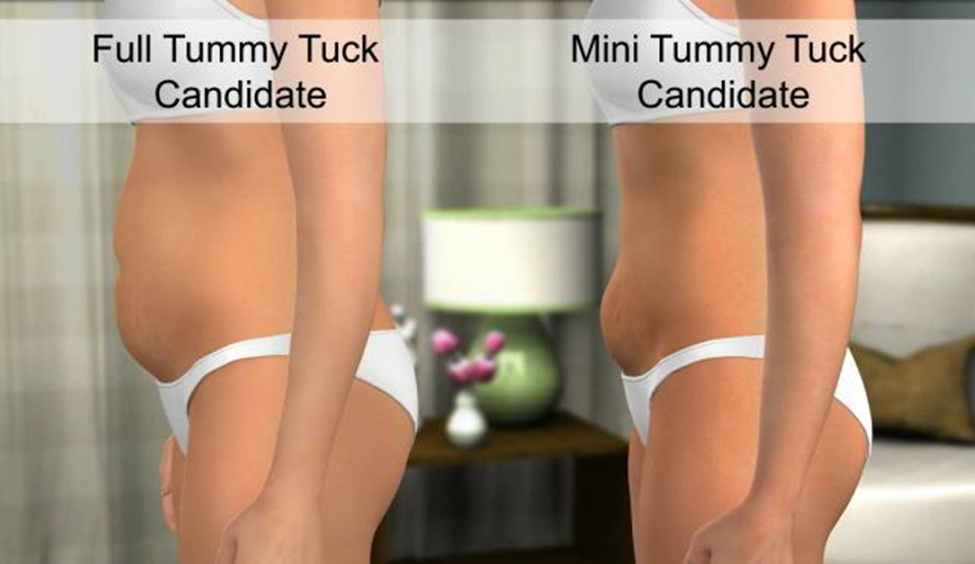
Differences in candidates for full tummy tuck versus mini tummy tuck

In other cases, longer or additional incisions may be necessary, including a vertical incision.  In patients where laxity extends around the flanks and into the back, a circumferential abdominoplasty may be performed, leaving a scar around the waistline. 

How do I know if I need liposuction or a tummy tuck?

People often debate between liposuction and procedures where skin is removed, such as a tummy tuck, thigh lift, or arm lift.  The advantages of liposuction include minimal scaring and a faster recovery.  Liposuction is great for reducing the bulge in localized areas of excess fatty tissue.  It does very little, however, to improve excess skin.  In most cases, the skin will shrink and contract following liposuction, though this varies according to age and natural skin elasticity.  While skin removal procedures leave a more significant scar and take longer to recover from, they do directly address the issue of skin excess.  After a thorough discussion and examination during your consultation, Dr. Kelly or Dr. Forsberg will give you their recommendations.  The good news is that if you decide on liposuction instead of a more involved procedure, you can always remove the excess skin later on if you are concerned about the appearance of loose skin.

Should I lose weight before undergoing a tummy tuck?

For optimal results, it is best to achieve your lowest stable weight prior to undergoing.  Losing weight will decrease the thickness of the abdominal wall.  Reduction of intra-abdominal fat, which is the fat around the abdominal organs and inside the abdominal wall, can only be achieved with diet and exercise.  Decreasing the amount of fatty tissue present prior to surgery will allow your surgeon to remove the maximum amount of excess skin and give you the most desirable result. 

It is not uncommon, however, for patients to plateau at a weight above their goal weight even with diet, exercise, and weight loss surgery.  A safe and dramatic improvement can still be obtained with abdominoplasty under these circumstances. 

See Dr. Forsberg discuss advantages of losing weight prior to abdominoplasty
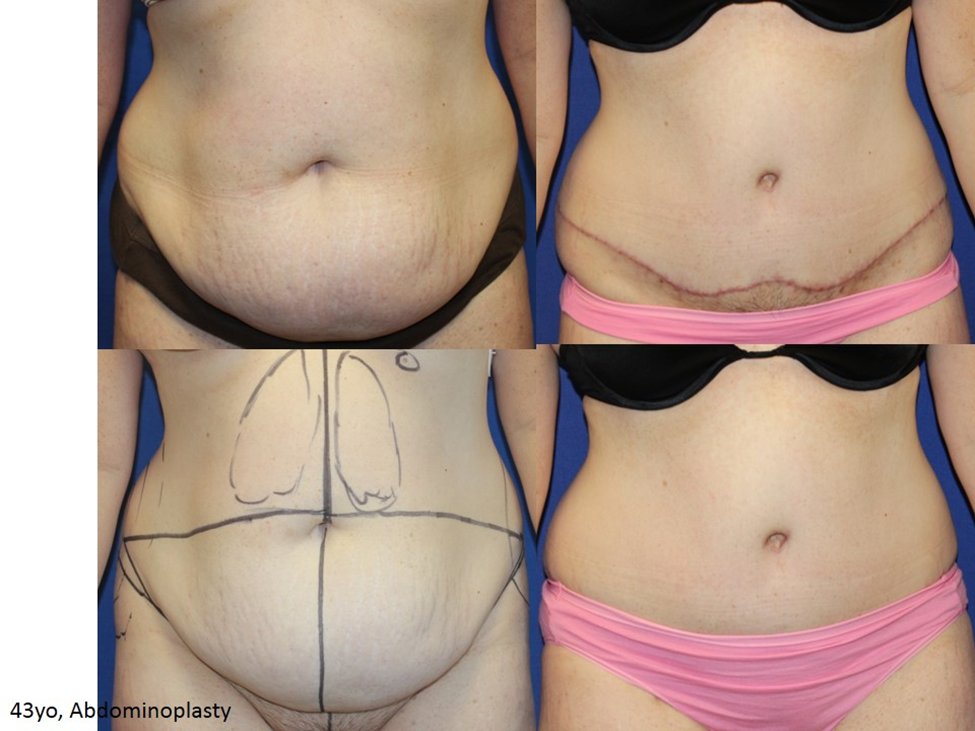
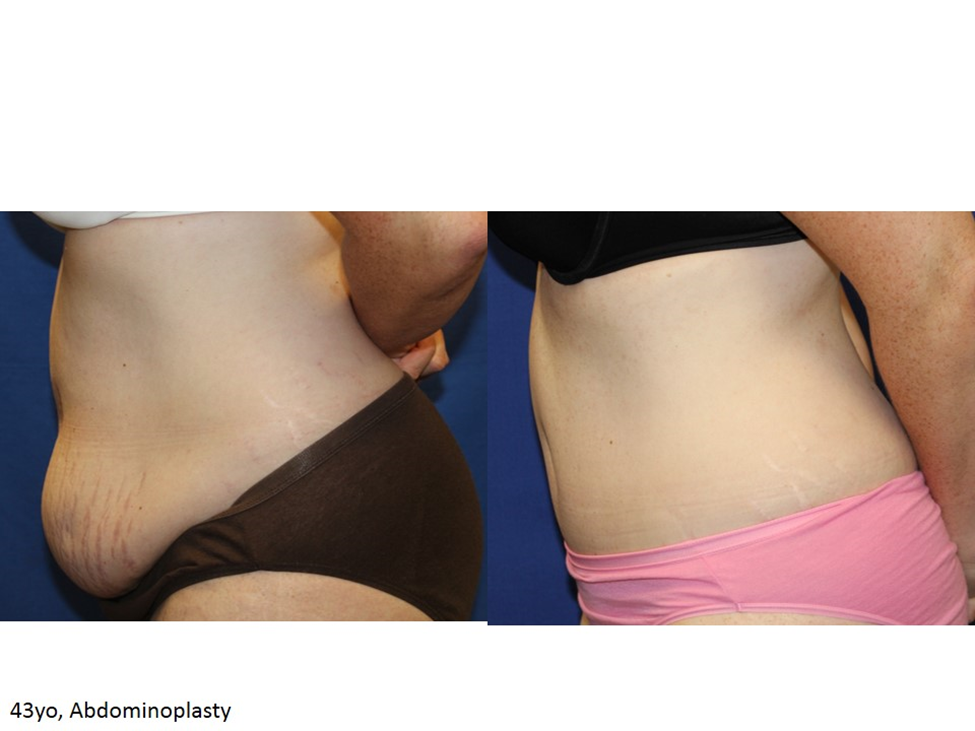
The patient pictured above is a 43-year-old patient of Dr. Forsberg who was never able to reach her goal weight with diet and exercise following multiple pregnancies.  She decided to proceed with abdominoplasty and liposuction and obtained a fantastic improvement of abdominal contour.  For this patient and many others, the improvement can provide the motivation needed to lose more weight after surgery.

What should I expect during recovery?

Following a tummy tuck, patients may be discharged home with a responsible adult to help care for them, or admitted to the hospital or nursing facility for observation the first night or two after surgery.  Depending on the extent of dissection and skin excision, drainage tubes may be used.  The abdomen will be quite sore following this procedure.  Various pain medications and internal numbing medications will be given to control the pain.  Even though you will be sore, it is important to go for short walks immediately after surgery.  You will need assistance with these walks for the first few days after your procedure.  You should know that it can take several weeks before you are feeling back to yourself.  Most patients take 2 weeks off from work, depending on the nature of their job and how quickly they heal.  There should be no heavy lifting or strenuous exercise for 4-6 weeks.  It will be several months before the aesthetic outcome of the procedure can be judged because it takes time for  swelling to go down and for the scars to soften and mature.   

Schedule your consultation with Center for Dermatology & Plastic Surgery today to learn how we can help you look and feel your best. Schedule a consultation online with us today.


Male Breast Reduction (Gynecomastia)

November 21, 2024 by michaelboache

Our board-certified plastic surgeons assists in treating gynecomastia with a reduction

Gynecomastia refers to benign enlargement of male breast tissue. The cause of gynecomastia is unknown, but it can be associated with other more concerning conditions, such as: endocrine disorders, liver disease, and testicular tumors. It can also be associated with certain prescription medications, the use of marijuana, steroids, and some work-out supplements. Gynecomastia to some degree is common during adolescence but usually resolves within one year. Because of the association with other more concerning conditions, men with abnormal breast enlargement that is painful, asymmetric, develops after adolescence, or persists for more than one year following pubertal development should seek evaluation by a board certified physician.

Gynecomastia is graded based on the degree of excess skin and breast tissue:

  • Minor enlargement, no skin excess
  • Moderate enlargement, no skin excess
  • Moderate enlargement, skin excess
  • Marked enlargement, skin excess What are treatment options for gynecomastia?

Many men with gynecomastia seek surgical treatment from a board-certified plastic surgeon because they are self conscious about their disproportionate breast size, embarrassed to remove their shirt in public or wear tighter fighting clothing, and want to increase their social confidence.

The treatment approach to gynecomastia varies depending on the degree of excess fatty tissue, breast glandular tissue, and skin.

The most common operation involves a combination of liposuction and direct excision of excess glandular breast tissue. Frequently there is a firm area of excessive breast tissue below the nipple that will not be amenable to liposuction alone and requires direct excision via an incision placed at the border of the areola (pigmented tissue around the nipple).

In more extreme cases where skin excess is also a problem, various additional incisions that will be more visible may be necessary to achieve a satisfactory reduction in breast tissue and skin. A surgeon will review the options that are most appropriate during your consultation.

Schedule your consultation with Center for Dermatology & Plastic Surgery today to learn how male breast reduction can help you look and feel your best. Schedule a consultation online with us today.

Breast Reduction

November 21, 2024 by michaelboache

Discover how breast reduction can help improve your overall health

Breast reduction is a procedure designed to reduce the size of undesirably large breasts. Also referred to as reduction mammoplasty, the operation has a very high rate of patient satisfaction as it typically has the two-fold benefit of reducing physical symptoms associated with large breasts and improving the aesthetic appearance of the breasts. Many women with large breasts experience back pain, neck pain, shoulder pain, bra strap grooving, headaches, skin irritation, and difficulty participating in some physical activities. Frequently these women feel that their breasts look disproportionate to the rest of their body, have an excessively droopy or pendulous appearance, and have nipples that are too low or even downward pointing. Breast reduction usually results in correction or improvement of all of these issues.

What can be expected in terms of scarring?

Our surgeons have extensive training in the latest “short scar” techniques of vertical breast reduction and prefers this operation for most of his patients when they are appropriate anatomical candidates. The scar for this technique is generally limited to around the areola and down the center of the breast in a lollipop configuration. This technique has the added benefit of providing a significant reshaping of the remaining breast tissue to give a perkier and a more youthful appearance to the breast that is longer lasting than some other methods of breast reduction.

In some cases when there is a significant excess of tissue that needs to be removed or a very high degree of droopiness to the breast, the “anchor scar” pattern may be required. This more traditional technique involves a scar across the bottom fold of the breast in addition to the scar around the areola and down the center of the breast.

What is the recovery process like following breast reduction surgery?

While there is discomfort following breast reduction surgery, it is routinely very well tolerated by patients. Your breasts will feel sore but this is treated with various pain medications after surgery. Generally the worst of the pain is over within 48 hours and most patients return to work within 1 week of surgery, depending on the nature of their job. Over the ensuing weeks and months, the swelling will go down and the breasts with settle into a softer, more natural shape.

Schedule your consultation with Center for Dermatology & Plastic Surgery today to learn how breast reduction can help you look and feel your best. Schedule a consultation online with us today.

Breast Reconstruction

November 21, 2024 by michaelboache

What is breast reconstruction?

Breast reconstruction offers women the opportunity to feel whole again after having treated breast cancer with a lumpectomy or mastectomy, or after injury or a birth defect.  Most techniques involve several separate procedures that can begin as early as the time of mastectomy.  Reconstruction aims to restore the shape, size, and appearance of the breast.  There are several techniques by which this can be accomplished. Reconstructive options include expanding the remaining tissues on the chest and using an implant, or by using your own tissues, often taken from the abdomen or back.  In addition to restoring the breast mound, there are also techniques to reconstruct the nipple and areola, including local skin rearrangements, skin grafts, and tattoos.  In some cases, the remaining breast will need to be lifted, augmented, or reduced in order to improve symmetry. Please note, not all patients are candidates for every technique.  Dr. Forsberg or Dr. Kelly will review the methods of reconstruction available to you during your consultation.

Although reconstructive surgery has improved with modern implants and techniques, a reconstructed breast will never have the exact same look and sensation as the breast it replaced.  In addition to being prepared for the emotional adjustment involved in breast reconstruction, patients must have realistic expectations about outcomes.

Before and after breast reconstruction procedures

When and where is breast reconstruction performed?

Breast reconstruction procedures can be performed in an inpatient or outpatient setting.  In most cases, a general anesthetic or a deep sedative, along with local anesthetics, are employed to ensure your comfort and safety.  The initial procedures for breast reconstruction may be performed at the same time as your mastectomy, or in a delayed fashion.  Immediate reconstruction offers the psychological and aesthetic advantage of waking from the mastectomy procedure with a less traumatized breast region. 

What are the different types of breast reconstruction?

The two broad categories of breast reconstruction are implant-based reconstruction and autologous reconstruction – where your own tissues are used to reconstruct the breast mound.  Most often, implant reconstruction begins with the placement of a tissue expander to enlarge the tissues on the chest wall slowly over a period of a few months until a permanent saline or silicone implant can be inserted in a secondary procedure.  In some cases, it is possible to place a small permanent implant in the first procedure. 

Fluid is placed into a tissue expander during an office follow-up procedure

During implant-based reconstruction, the Acellular Dermal Matrix, which is derived from human or animal tissue, may be used.  Use of this product facilitates the placement of a permanent implant at the time of mastectomy.  It can also be used with a tissue expander to speed the expansion process and improve the aesthetic outcome of the reconstruction.  Some studies indicate these potential advantages may come at the cost of a slightly higher complication rate.  You should tell your surgeon if you are opposed to the use of this product.

Autologous tissue – called a flap – from another part of your body is used to reconstruct the breast mound when a breast implant is not used.  The tissue is most often taken from the abdomen or the back.  Other donor options include the buttocks or thighs.  Flaps can be kept attached to their dominant blood supply and tunneled into position in the chest or they can be disconnected from their native blood supply and attached to other vessels in the chest.  The latter involves more operative time and a higher risk of total loss of the flap, but it can afford more versatility in the donor location or configuration of the flap.  When the flap is taken from the abdomen, it will often require repair of the abdominal wall with a synthetic, mesh-like material.  In general, autologous reconstructions tend to produce a more natural looking breast mound that ages with the patient and may not require as many secondary operations as implant reconstructions.  It does, however, involve more operative time, longer recovery, and subjects other areas of the body to surgery.

Breast reconstruction using prosthetic implants or flaps of tissue from the patient’s own body

How is the nipple reconstructed during breast reconstruction?

Nipple sparing mastectomy, where the nipple and areola are left intact while the remainder of the breast glandular tissue is removed, is becoming more widely used in some patients who are appropriate candidates.  In this case, the patient’s own nipple and areola remain, and no reconstruction is necessary.

In cases where the nipple and areola are removed during mastectomy, they can be reconstructed after the breast mound is made using combinations of small tissue flaps to create an elevated nipple mound and a tatoo to create the coloration of the areola.

Is there anything else I should know?

The manufacturers of breast implants expect them to last a long time, but everything man-made does break or wear down eventually. The life span of all types of implants can be shortened by trauma or mechanical failures. A rupture, for example, may be clinically undetectable to you or your surgeon if you have silicone gel implants, but it could be picked up during mammography or other specialized tests. The rupture of the older gel implants often led to gel migration or the formation of lumps within the breast as a result of scar tissue developing around the free silicone, necessitating future breast biopsies and implant replacement.  However, today’s gel-filled implants are made of a cohesive gel that stays intact even in the event of a shell rupture.  They are also less likely to migrate and are easier to remove.  The rupture of a saline-filled implant, on the other hand, will be obvious because the breast will return to its previous size and shape over a short period of time. Unfortunately, no one can predict in advance when an individual implant will fail. Replacing an implant will become necessary if a leak is detected. It is strongly recommended that you see your plastic surgeon at least once a year for a breast examination.

From cosmetic enhancements to medical dermatology, Center for Dermatology and Plastic Surgery is here to support you every step of the way.

Breast Lift

November 21, 2024 by michaelboache

What is a breast lift (mastopexy) with augmentation?

Breast lift with augmentation refers to the combination of two very common breast procedures. Breast augmentation is a procedure where breast size is increased using silicone or saline breast implants.  It is also referred to as augmentation mammoplasty, breast enhancement surgery, or breast enlargement surgery.  Breast augmentation is the most common cosmetic surgical procedure performed in the United States and has a very high rate of patient satisfaction. 

Causes of breast sagging

Breast lift, also called mastopexy, is a procedure where the breast is reshaped to provide a more youthful appearance.  A breast lift improves droopy or saggy breasts in 4 primary ways:

  • The excess loose skin of the breast is reduced
  • The breast tissue itself is reshaped, becoming firmer and more youthful
  • The nipple is elevated to the center of the breast mound
  • The size of the areola (pigmented skin around the nipple) is also reduced

Typical appearance before and after breast lift surgery

Breast augmentation and mastopexy are frequently performed together in a combined operation, although they can also be performed in separate, staged operations.  During your consultation, Dr. Kelly or Dr. Forsberg will go over which procedures you are the best candidate for as well as the advantages and disadvantages of doing the procedures combined or separately. 

Will breast implants alone provide a lift without formal mastopexy?

While increasing the volume of the breast with an implant can fill out loose skin and improve the appearance of a slightly droopy breast, it will not elevate the nipple position.  If there is significant skin excess, or a significant elevation of nipple position is desired, a breast lift will most likely be needed in addition to the implant to provide the best result.  During your consultation, Dr. Kelly or Dr. Forsberg will perform a detailed physical exam after discussing your goals and expectations to help determine which operation is best for you.  A good rule of thumb, however, is that if the nipple lies below the level of the lower breast fold, a breast lift will be needed to provide optimal results.

Where will I have scars after the breast lift (mastopexy)?

There are three primary patterns of scar location for a breast lift.  The most common type of mastopexy performed is called a vertical mastopexy, with a scar resulting in a “lollipop” configuration around the areola and down the center of the breast. 

Vertical mastopexy done with a “lollipop” scar

In some cases of mild drooping, a scar limited to the areola (periareolar scar) can accomplish the necessary lift and tightening. 

Periareolar mastopexy

In other cases of severe ptosis or sagging, scars in an anchor configuration, around the nipple, down the center of the breast, and across the base of the breast may be needed to provide optimal shape. 

Why would I consider getting breast implants in addition to a breast lift alone?

While a breast lift will result in a breast that appears more perky and youthful, it does not increase the overall volume of the breast.  Additionally, while the breast can appear more full, the increase is primarily in the lower portion of the breast.  Women who desire an increase in breast size or who are particularly concerned about improving the fullness in the upper portion or cleavage area of the breast, should also consider augmentation.  

See what patients of Dr. Forsberg have had to say about breast surgery. 

At Center for Dermatology and Plastic Surgery, we’re committed to delivering exceptional care for all your body concerns.

Breast Augmentation

November 21, 2024 by michaelboache

Breast augmentation is a procedure in which breast size is increased using silicone or saline breast implants. It is also referred to as augmentation mammoplasty, breast enhancement surgery, or breast enlargement surgery. Breast augmentation is the most common cosmetic surgical procedure performed in the United States and has a very high rate of patient satisfaction.


See what Dr. Forsberg’s breast implant patients have to say about breast surgery


What are the most common reasons to have breast augmentation?

Many women choose to undergo breast augmentation because they feel their breasts are not proportionate to their overall body shape. For some this is genetic, but for others, breast volume is lost after pregnancy, menopause, or weight loss. If you find that the clothes that fit your hips well are loose up top, if you feel self-conscious in swimwear or low-cut tops, or if there is a noticeable size discrepancy between your breasts, you may be a good candidate for breast implant surgery.

Pictured above is a 38-year-old female patient of Dr. Forsberg’s who chose to undergo breast augmentation with 350cc silicone implants after becoming dissatisfied with the small, deflated appearance of her breasts after nursing several children.

Dr. Forsberg discuss who is a candidate for breast augmentation.

What can I expect in terms of scarring?

In general, there are three options to consider for the location of the incision used to create the pocket for the breast implant. The final scar can hide within the lower fold of the breast (inframammary incision), along the outside border of the areola, which is the pigmented skin surrounding the nipple (periareolar incision), or within the armpit (axillary incision). While there are advantages and disadvantages to each technique the inframammary incision frequently provides the least visibility and best long-term result. Usually this incision fades away into the crease between the lower portion of the breast and the chest wall. It affords the surgeon the most direct accessibility to the pocket being created for the implant which results in the shortest incisions and most symmetric and accurate implant placement. Unlike the periareolar incision, the inframammary incision avoids dissection through the breast tissue, which can result in contamination of the breast implant with bacteria normally found within the breast ducts.

Incisions for breast augmentation are generally placed on the areola, in the arm pit, or in the bottom fold of the breast

Should the breast implants be placed over or under the muscle?

In general, most patients will be better candidates for placement of the breast implants underneath the pectoralis major muscle in the chest in what is referred to as a dual plane. There are two major advantages for placing the implants under the muscle. The first advantage is that implants under the muscle have a lower rate of excessive scar tissue forming around the implant, called a capsular contracture. The second advantage is that it provides an added layer of tissue over the implant and helps to conceal the shape and outline of the implant, particularly in the cleavage area. This second advantage is more relevant to thin women with less breast tissue.

Breast implants placed “under the muscle” sit partially under the pectoralis major muscle

Left: subglandular placement of implant; Right: submuscular placement of implant

Implants placed in the submuscular plane are generally only partial covered by chest muscles, referred to by plastic surgeons as a “dual plane.”

There are women who are better candidates for an implant positioned above the muscle, or a subglandular position. These include women with adequate breast tissue to camouflage the presence of the implant, women who have a slight droop to the breast but want to avoid the scars associated with a breast lift, or women such as body builders who participate in strenuous upper body exercise. Dr. Kelly and Dr. Forsberg also perform a procedure called “subfascial breast augmentation” where the implant is placed above the muscle fibers but below the dense layer of muscle fascia. Is some cases, this technique gives patients the best of both worlds!

Implants placed in the subglandular plane are above the chest muscles but below the breast glandular tissue.

What is the difference between saline, silicone, and “gummy bear” (form stable) breast implants?

Both saline and silicone breast implants are made of a silicone elastomer shell on the outside. The difference between them lies in the substance filling the implants. In saline implants, the filler material is salt water, while silicone gel is the filler material for silicone implants. Modern silicone gel implants have thick outer shells and the gel inside is more cohesive. This means that if a modern silicone gel implant ruptures, the gel inside is very unlikely to move far from the site of the rupture.

Round saline breast implant

Saline breast implants being filled during surgery

Many patients are still concerned about the safety of silicone gel implants as a result of their temporary removal from the marketplace in the 1990s. During this time, the safety of silicone breast implants was studied extensively. Researchers found no increased risk of autoimmune diseases, breast cancer, chronic fatigue syndrome, or depression in women who had silicone breast implants (even ruptured silicone breast implants) than in women who had never had breast implants. For this reason, silicone is one of the most commonly used materials in medically implanted devices today.

See Dr. Forsberg discuss the difference between saline and silicone breast implants

Form stable breast implants, sometimes called “gummy bear” implants, are the newest type of breast implants to be released on the market. The gummy bear breast implants are filled with a highly cohesive silicone gel, which is thicker and stiffer than a traditional modern silicone gel implant. These implants are made in an anatomic, tear drop shape. Because of the stiffness of the gel inside, they maintain this shape in all positions. This means the form stable implant will maintain its teardrop shape whether the woman is standing upright or lying down.

There are several potential advantages of form stable breast implants. For small breasted women who want a conservative increase in size, the gummy bear breast implant provides a more natural shape. Additionally, the cohesive gel inside the implant is less likely to migrate outside of the shell if the implant cracks or ruptures. The rupture rates and capsular contracture rates of these implants are the lowest of any breast implant ever developed. Potential disadvantages of these anatomically shapes implants are rotation within the pocket and a slightly firmer feel.


Each of the various implants has advantages and disadvantages. For this reason, it is important to have a detailed consultation with a board certified plastic surgeon with whom you feel comfortable prior to deciding which implant is best for you.

See Dr. Forsberg discuss the differences between round and anatomic breast implants

What is a “high profile” breast implant?

For a traditional round breast implant, there are three important measurements to consider: the width or diameter of the breast implant, the volume of the breast implant (measured in cubic centimeters or ccs), and the profile of the implant. When looking at an implant from the side, the profile refers to how much the implant will protrude from the chest wall. The diagram above shows 3 breast implants of equal volume. The implant on the right is a high profile implant. As you can see, it is narrower and will protrude a greater distance from the chest wall. The lower profile implant on the left has a wider base for the same total volume. In general, a higher profile implant will result in a more projecting or more “busty” look. In addition to preference, skin type is important for the surgeon to consider when helping you decide which profile breast implant will be best. Relatively loose, stretchy breast skin will more easily and naturally accommodate a high profile breast implant, whereas breast skin that is very inelastic and tight may not accommodate a high profile implant as well.

How do I pick the size of my breast implant?

A common misconception among patients preparing for breast augmentation surgery is that a certain implant size equates to a certain bra cup size, or that they can look at pictures or see a friend’s augmented breasts and choose their implant size based on what they see in other people.
Every patient has a different breast width, height, and a different amount of their own breast tissue that contributes to the final size and shape of an augmented breast. When the goal is to provide an appropriately shaped, natural result, the reality is that the volume of the breast implant is the least important when selecting the breast implant measurements. A qualified, board certified plastic surgeon will measure the width of your breast and select a breast implant with a base diameter that fits your chest appropriately. The projection of the implant is determined by your preferences for final breast shape, the amount of natural breast tissue you have before surgery, and the elasticity of your breast skin. After the ideal implant width and projection are determined, the volume of the implant is essentially defined.


The reality, however, is that it is much easier for patients to think and experiment with different sizes of breast implants. We encourage our patients to experiment with different breast sizing systems at home and in the office.

How do I know if I need a breast lift (mastopexy) or breast implants?

In general, breast augmentation increases the volume of the breast while a breast lift elevates the nipple and areola to a more youthful position on the breast and tightens loose skin. While a breast implant will help fill loose and deflated skin on the breast, it will not correct a breast with significant droopiness on its own. A good rule of thumb is that if the nipple lies below the level of the lower breast fold, a breast lift will be needed – with or without implants – to provide an optimal result.

Breast lift is generally needed if the nipple lies below the position of the lower breast fold.

Are complications possible with breast implants?

As with any surgical procedure, there are complications associated with breast augmentation. While rare, complications such as bleeding, infection, and capsular contracture (formation of thick scar tissue around the breast implant) do occur. It is also important that patients realize breast implants are not permanent. Overall, breast implant revisions are done on average about every 10 years, whether it’s done for a ruptured implant, capsular contracture, or an augmented breast that later needs a lift or other adjustment. Patients desiring excessively large breast implants should know that larger implants result in more thinning and stretching of tissues, have more frequent complications, and tend to require more frequent revision operations.


Watch Dr. Forsberg discuss how long breast implants last…

What should I expect during the healing process from breast augmentation?
While there is discomfort following breast augmentation surgery, it is routinely very well tolerated by patients. Your chest will feel sore and tight, but this can be treated with various pain medications. Generally, the worst of the pain is over within 48 hours, and most patients return to work 3-7 days after surgery, depending on the nature of their job. It is important to avoid quick movements or heavy lifting with the upper extremities after surgery for 4 to 6 weeks. You may have bruising and some swelling after surgery. Most swelling will be gone within 1 month. The breasts may appear too high and tight right after surgery, but during the first 1-3 months, the breast skin will stretch and the implants will soften and settle down to their final position.

Breast implants will soften and settle over the first few months following surgery.

Hyperhidrosis

November 21, 2024 by michaelboache

Excessive sweating is a medical condition called hyperhidrosis. There are two different types, the first of which is a focal hyperhidrosis. It limits the sweating to one area of the body, such as the armpits, hands, face or feet. The second type of hyperhidrosis does not limit itself to one part of the body, but is present over any and all parts of the body.

Causes

Hyperhidrosis is normally an indicator or result of another disorder or condition in the body, but can be hereditary. This includes but is not limited to menopause, obesity and nerve disorders. Due to menopause, women are more likely to be diagnosed with hyperhidrosis. This condition is also found in children and young teens.

Symptoms

There are several symptoms of hyperhidrosis. A sign of excessive sweating would be visible sweat while a person is sedentary. If everyday activities are difficult due to sweat, the skin peels due to being damp with sweat too often, and skin infections are a constant problem, hyperhidrosis may be the cause.

Treatment

There are several treatments for hyperhidrosis that a doctor may suggest. The most common would be an antiperspirant, which is applied to the skin and blocks the sweat glands in an attempt to get the body to stop producing sweat. A doctor might also suggest iontophoresis or Botox injections. Medication may be prescribed or surgery may be considered in some cases.

Our Approach and Expertise

Excessive sweating—known as hyperhidrosis—can significantly impact your daily life, affecting everything from personal comfort to social confidence. At The Center for Dermatology and Plastic Surgery, we specialize in diagnosing and treating hyperhidrosis with proven, effective solutions tailored to your individual needs.

Hyperhidrosis can affect the underarms, palms, soles, face, or other areas of the body, and may occur without an underlying medical cause (primary hyperhidrosis) or as a result of another condition (secondary hyperhidrosis). Our board-certified dermatologists begin with a comprehensive evaluation to identify the type and severity of your condition and rule out any underlying health issues.

We offer a full range of treatment options—from prescription-strength topical therapies and oral medications to in-office procedures such as Botox® injections, which can temporarily block the nerve signals responsible for excessive sweating. For more persistent cases, we also provide advanced therapies, including iontophoresis and surgical referral when appropriate.

Our team understands that excessive sweating is more than a physical condition—it can deeply affect emotional and social well-being. That’s why we take a compassionate, personalized approach, working closely with you to restore comfort, confidence, and control.

With extensive experience and access to the latest technology, The Center for Dermatology and Plastic Surgery is your trusted partner in achieving long-term relief from excessive sweating. The Center for Dermatology and Plastic Surgery is here to support all your skin health needs with trusted, expert care.

Schedule your appointment today.

Eczema

November 21, 2024 by michaelboache

Learn more about a common skin condition, eczema, and how our board-certified dermatologists can help you.

Eczema, sometimes referred to as atopic dermatitis, is condition of skin that leaves it dry and irritated, causing it to crack and sometimes bleed. 

Causes

While physicians are unsure of the exact cause of eczema, it is thought to be a combination of several factors:

  • Genetics
  • Immune dysfunction
  • Environmental exposures, including:
    • Irritating soaps
    • Changes in weather

Children are more likely to have eczema; however, people can develop eczema at any age. Some children will grow out of it but it may return again in later years. Those with asthma, hay fever and certain allergies are more prone to eczema than others. Additionally, a family history of eczema or asthma and hay fever, can increase the risk of developing eczema to flare.

Symptoms

It presents with dry, itching skin that can be red and cracked, or can occasionally be bumpy. Severe forms of eczema can cause fluid to come out from the cracks left in the skin. If left untreated, these cracks can allow bacteria and viruses to penetrate the skin and lead to a more serious infection.

Treatment

This condition cannot be cured, but needs to be managed chronically. Occasionally, changes to the patient’s skin care routine are all that is needed to maintain clear skin. Flares and poorly controlled eczema can be treated with medicated ointments or creams. Antibiotics may be necessary if there is concern for infection. Similarly, bleach baths or vinegar water soaks may be used to prevent infections. 

As fragrances, dyes and other chemicals can exacerbate this, it is important to use fragrance free and sensitive skin self-care and laundry products. Avoid alcohol based products, including aerosol and waterless hand sanitizers, as alcohol is very drying for the skin. Antihistamines taken routinely can decrease the itch associated with this skin condition and are particularly helpful in patients with associated hay fever and seasonal allergies.

Because it cannot be cured, a patient will always have the tendency for flares of the skin. And while hereditary eczema cannot be prevented, the frequency and severity of the flares can be managed with good skin care and avoidance of irritants. At The Center for Dermatology and Plastic Surgery, we’re committed to delivering exceptional care for all your skin concerns.

Schedule your appointment today.

Contact Dermatitis

November 21, 2024 by michaelboache

Learn more about contact dermatitis and how our board-certified dermatologists can help treat it.

Contact dermatitis is inflammation of the skin that results from direct contact of a substance with the surface of the skin, which may or may not be related to an allergy. Some substances are always irritating to the skin.

Causes

A person develops contact dermatitis when something that touches the skin does one of the following:

  • Irritates the skin
  • Causes an allergic reaction

There are two types:

  • Irritant contact dermatitis is the most common form and develops when substances such as solvents or other chemicals irritate the skin. The exposure produces red, often more painful than itchy, patches on the involved skin areas.
  • Allergic contact dermatitis is an immune response triggered by an allergen. Nickel, perfumes, dyes, rubber, latex, topical medications and cosmetics frequently cause allergic contact dermatitis. More than 3,600 substances can cause allergic contact dermatitis.

Anyone can develop contact dermatitis. Your risk factors may be increased if you are in regular contact with an irritant or allergen or if you already have allergies to certain substances, such as plants, chemicals, or medications. People working in certain professions have a higher risk. Sometime this is referred to as occupational dermatitis. It is important to know that the more you come in contact with a substance, the more likely you are to develop an allergy to it and for it to be the cause of allergic contact dermatitis.

Symptoms

Signs and symptoms of contact dermatitis rarely appear with immediate contact. Most symptoms of contact dermatitis appear within 24-72 hours. An allergic reaction requires more than 1 exposure to the substance, but after this, a reaction can occur quickly. Rarely, people can develop a severe allergic reaction known as anaphylaxis. Symptoms occur within seconds or minutes. A person may have:

  • Difficulty breathing due to swelling in the throat
  • Swollen face and/or eyes
  • Confusion

The entire body reacts during these events. If anyone has any of these symptoms, seek immediate medical care. During normal reactions, when signs and symptoms do appear, you may have:

  • Itchy skin, which can be intense
  • Rash, including red, swollen, hot skin
  • Excessively dry skin
  • Burning
  • Stinging
  • Hives, which are round welts on the skin that itch
  • Fluid-filled blisters
  • Oozing blisters that leave crusts and scales

If exposure to the allergen continues, your skin may:

  • Flake and crack
  • Become scaly
  • Darken, thicken, and feel leathery

Treatment

Treatment is the same for both types.

The steps involved during treatment are:

  • Avoid or lessen the exposure to the substance that is causing the rash
  • Treat the rash, often using antihistamine pills, moisturizer and corticosteroid cream
  • Severe reactions may require stronger medications, such as prednisone
  • Wet dressings and oatmeal baths can help soothe symptoms until the rash clears

By avoiding what caused the rash, most people can avoid flare-ups.

If you work with substances that caused the rash, you can still avoid the rash. Your dermatologist can recommend ways to work and products to use. More than 80% of people diagnosed with occupational dermatitis successfully manage the condition and recover without any problems. Count on The Center for Dermatology and Plastic Surgery for expert, compassionate care tailored to your unique skin.

  • « Go to Previous Page
  • Page 1
  • Page 2
  • Page 3
  • Page 4
  • Page 5
  • Interim pages omitted …
  • Page 7
  • Go to Next Page »

Copyright © 2026 · Dynamik-Gen on Genesis Framework · WordPress · Log in

Center for Dermatology & Plastic Surgery - Dermatologists and Plastic Surgery in Phoenix, AZLogo Header Menu
  • Home
  • Locations
  • Providers
  • Plastic Surgery
    • Before & After Gallery
  • Dermatology
  • Cosmetic Dermatology
    • Cosmetic Before After Gallery
  • Health Library
  • About
    • Patient Resources
    • New Patient Forms
    • Specials
  • Pay Bill
  • Patient Portal
  • Book Appointment
  • Shop